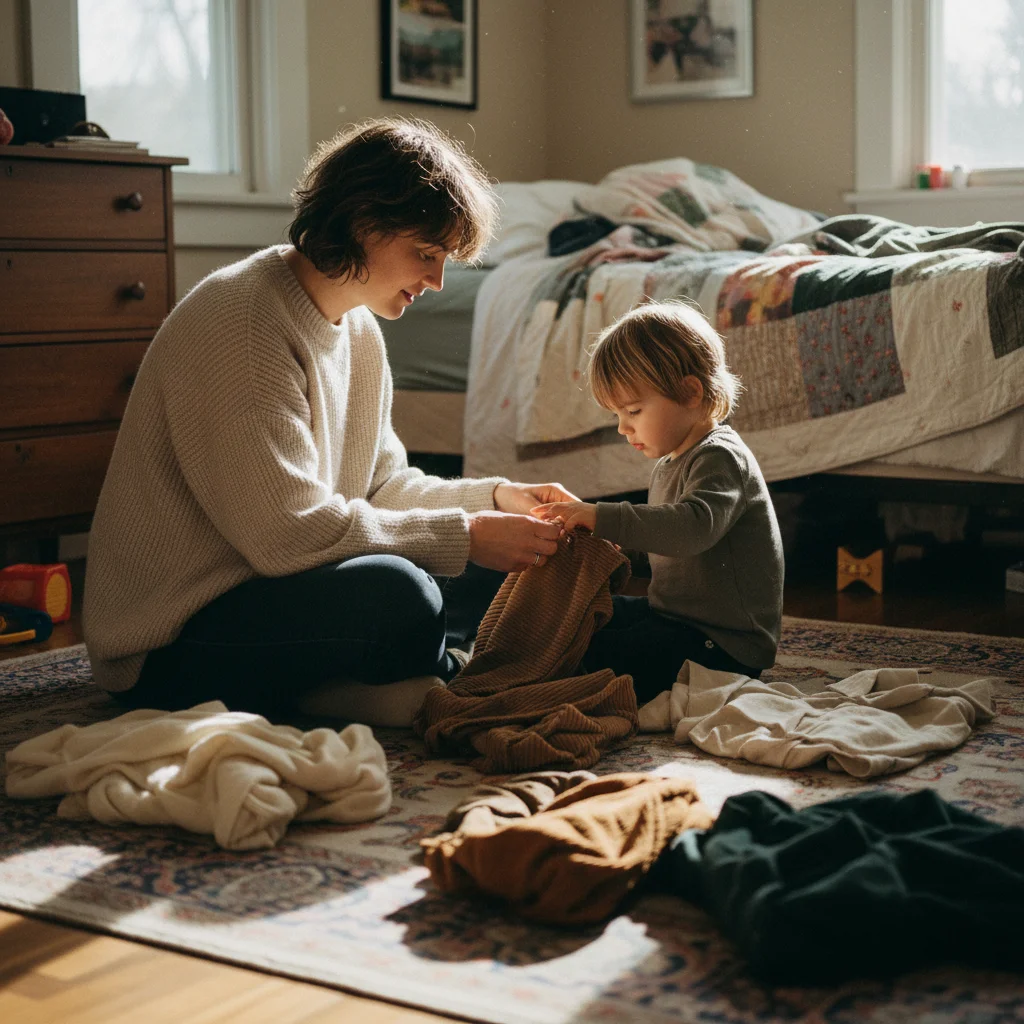
6:47 AM. We're already running late, and my son is standing in his underwear, screaming about his socks. Not just any socks — the "wrong" socks that feel "scratchy" and "bumpy" and are apparently causing him physical pain.
If this sounds familiar, let me tell you something that took me two years to understand: Your child isn't being difficult. They're not manipulating you. And you're not failing as a parent.
When your ADHD child melts down over getting dressed, you're witnessing a neurological processing difference that makes clothing feel genuinely overwhelming. It's not about the clothes — it's about how their brain interprets sensory information.
Why ADHD Brains Process Clothing Differently
ADHD brains have differences in how they regulate sensory input, particularly through the neurotransmitter systems that control attention and self-regulation.
The GABA system, which helps calm overstimulated nervous systems, often functions differently in ADHD kids. When GABA isn't doing its job effectively, every texture, seam, and fabric label becomes magnified — like turning up the volume on sensations most of us barely notice.
Meanwhile, the dopamine system that helps with focus and motivation can make it nearly impossible for them to push through uncomfortable sensations that neurotypical kids would just ignore.
This isn't behavioral. ADHD isn't bad behavior — it's brain chemistry. And once you understand the mechanism, you can actually work with it instead of against it.
Tactile Defensiveness vs Sensory Seeking in Getting Dressed
Not all ADHD kids struggle with clothing the same way. Some are tactile defensive — they feel textures more intensely and need soft, seamless options. Others are sensory seekers — they crave intense input and might actually prefer tighter, textured clothing.
My son falls into the defensive category. Tags feel like sandpaper. Seams rub like scratchy rope. New jeans might as well be made of concrete.
But my friend's daughter is the opposite — she wants her clothes tight, seeks out rough textures, and actually calms down when she can feel strong pressure from her clothing.
The key is figuring out which category your child falls into, because the solutions are completely different.
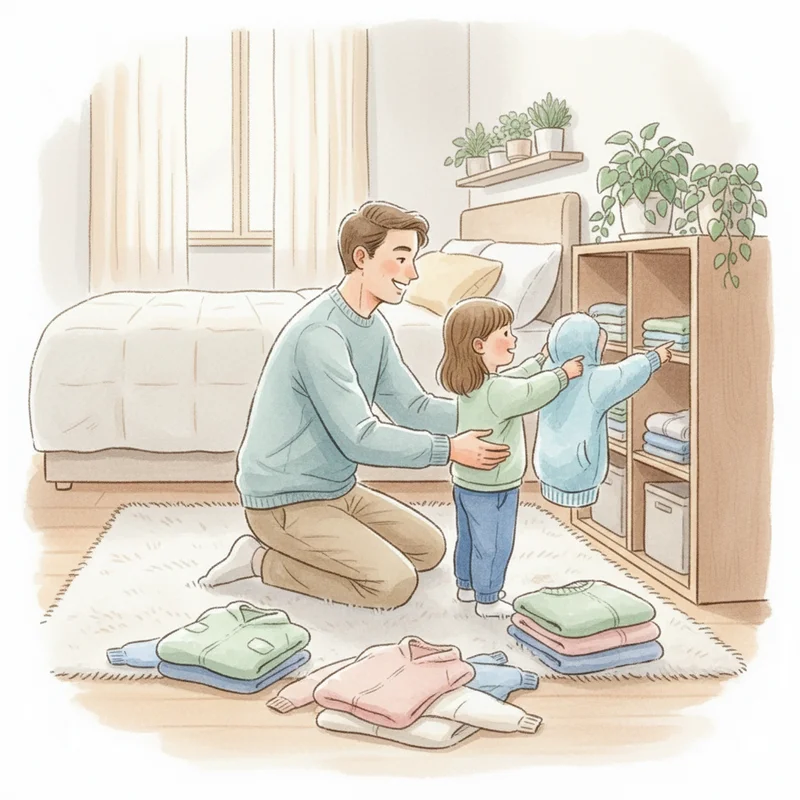
The Clothing Modifications That Ended Our Morning Wars
After months of battles, here's what actually worked:
For Tactile Defensive Kids:
- Seamless socks (I buy them in bulk from Amazon)
- Tagless shirts or carefully cut tags with no scratchy remnants
- Soft cotton or bamboo fabrics only
- Inside-out sweatshirts if the inside feels softer
- Pre-washing new clothes 3-4 times before introducing them
For Sensory Seeking Kids:
- Compression shirts or leggings for that "hugged" feeling
- Weighted vests during particularly tough mornings
- Textured fabrics like corduroy or fleece
- Layering options so they can add pressure as needed
The game-changer for us was understanding that sensory processing issues affect everything, not just clothing. Once I started seeing the pattern, I could anticipate and prevent meltdowns.
Building Independence With Sensory Accommodations
Here's what I wish someone had told me earlier: accommodating sensory needs doesn't create dependency — it builds confidence.
When my son can get dressed without physical discomfort, he's actually more willing to try new things and take on independence. When he's fighting his nervous system every morning, he shuts down completely.
We created a "sensory toolkit" for mornings:
- Deep pressure hugs before getting dressed
- A heating pad on his clothes for 30 seconds (warm fabric feels less intense)
- Proprioceptive input through jumping jacks or wall pushes
- Choice between two pre-approved outfits
- A calm-down corner if things get overwhelming
The difference was immediate. Instead of our morning routine being a battle, it became a partnership.
Natural Support That Helps Sensory Processing
While environmental modifications are crucial, supporting the underlying neurotransmitter imbalances can make a significant difference too.
Research suggests that when ADHD brains get better support for their GABA and serotonin systems — the neurotransmitters responsible for calming and emotional regulation — sensory processing often improves naturally.
The 2019 clinical study comparing saffron to methylphenidate found improvements not just in attention, but in emotional regulation and sensory tolerance. Parents reported their children were less reactive to textures, sounds, and other sensory triggers.
This makes sense when you understand that saffron works on all four neurotransmitter pathways that affect ADHD symptoms, including the GABA system that helps calm an overstimulated nervous system.
Parent Training — Limited Spots
What If Mornings Didn't Have to Be a Battlefield?
The Unbreakable ADHD program gives you a complete routine framework — mornings, homework, bedtime — designed specifically for how ADHD brains work. Created by licensed therapist Anneliese.
87 of 100 spots taken · 9 video modules · $9.99 trial
START YOUR $9.99 TRIAL →Is sensory overwhelm affecting your child's daily routines?
Take our free 2-minute assessment to discover which sensory processing patterns might be driving your child's daily struggles — and what type of support could help.
TAKE THE FREE ASSESSMENT →
