
The playground meltdown happened so fast I barely saw it coming. One minute my 8-year-old was happily swinging, the next he was screaming on the ground because I mentioned we needed to leave early for a quick grocery stop.
Sound familiar? Your child's explosive reaction to unexpected changes isn't defiance — it's anxiety disguised as aggression. This isn't a parenting failure. It's how ADHD brains respond when their internal systems get overwhelmed.
The Playground Meltdown That Opened My Eyes
That day at the playground, I watched other parents exchange those looks. The ones that said, "Why can't she control her kid?" But here's what they couldn't see: my son's brain was experiencing what researchers call a "dopamine crash" — a neurological event that makes flexibility feel impossible.
After years of similar meltdowns, I finally understood that ADHD isn't bad behavior — it's brain chemistry operating differently. When plans change unexpectedly, ADHD brains don't just feel disappointed. They feel physiologically threatened.
Why ADHD Brains Struggle With Unexpected Changes
ADHD brains rely heavily on predictability because they're already working overtime to manage four key neurotransmitter pathways: dopamine, serotonin, GABA, and norepinephrine. When these systems are out of balance, unexpected changes feel like chaos.
Here's what happens neurologically when plans change:
- Dopamine crashes: The reward system that was anticipating one outcome suddenly has to recalibrate
- Serotonin disruption: Mood regulation becomes unstable, leading to emotional dysregulation
- GABA depletion: The calming system gets overwhelmed, making self-soothing impossible
- Norepinephrine spikes: The stress response kicks into overdrive
This isn't your typical disappointment. It's a neurological storm that makes "rolling with it" feel impossible.
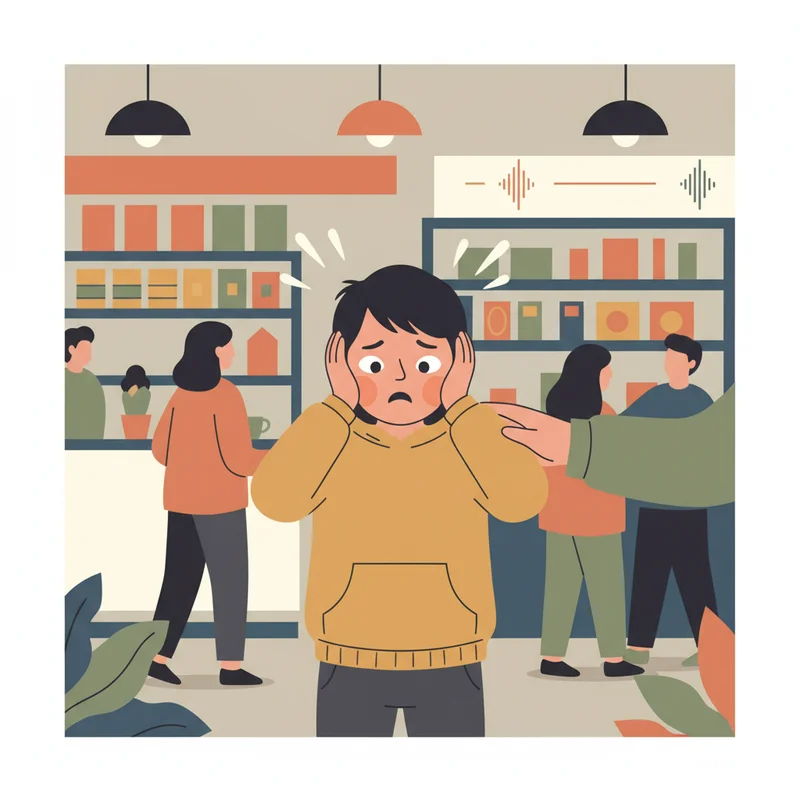
The Anxiety-Defiance Connection Parents Miss
What looks like stubbornness is actually anxiety manifesting as defiance. When ADHD children feel overwhelmed by unexpected changes, their nervous system goes into fight-or-flight mode. The "fight" response often looks like:
- Arguing about why the change is "stupid" or "unfair"
- Refusing to cooperate or participate
- Physical aggression or throwing things
- Screaming or having a complete meltdown
But underneath that defiant behavior is a child whose brain is desperately trying to regain control. They're not being difficult — they're being overwhelmed.
"When my daughter's brain can't process change, her whole nervous system goes haywire. What looks like defiance is actually panic in disguise."
How Dopamine Crashes Fuel Change Resistance
ADHD brains are dopamine-seeking machines. When your child makes a plan — even something as simple as "we're going to the park after lunch" — their brain starts producing dopamine in anticipation. That neurochemical reward keeps them motivated and focused.
But when plans suddenly change, that dopamine production stops abruptly. The brain experiences this as a loss, triggering the same stress response as actual grief. No wonder they react so intensely.
This is why ADHD children can get violent when told 'no' — their brains are literally experiencing a neurochemical crisis.
The Warning Signs Your Child Needs Transition Prep
Some children are more sensitive to changes than others. Watch for these signs that your ADHD child needs extra transition support:
- Rigid morning routines: Meltdowns if breakfast happens in a different order
- Obsessive planning: Asking repeatedly about schedule details
- Extreme reactions to surprises: Even positive changes trigger meltdowns
- Difficulty with "maybe" situations: Needs definite yes/no answers
- Physical symptoms: Stomachaches or headaches when routines change
If you recognize these patterns, your child likely has what I call "change anxiety" — and they need specific support strategies.
5 Strategies That Actually Work for Last-Minute Changes
1. The Two-Choice Rule
Instead of announcing a change, offer two options: "We need to stop at the store. Would you rather go now or after the park?" This gives their brain some control back.
2. Acknowledge the Disappointment First
Before explaining the change, validate their feelings: "I know you were really looking forward to staying longer. That's disappointing."
3. Use Transition Warnings
Give 15, 10, and 5-minute warnings before any change. This helps their brain start adjusting gradually instead of all at once.
4. Create Change Rituals
Develop a specific routine for handling unexpected changes. Maybe it's taking three deep breaths together or doing a quick sensory reset.
5. Offer Recovery Time
After a change-related meltdown, give your child time to regulate before moving forward. Rushing them only intensifies the stress response.
When to Push Through vs. When to Pivot
Not every change is worth the battle. Here's my decision framework:
Push through when:
- Safety is involved
- It's a necessary life skill they need to practice
- The change is small and you have time to support them
Pivot when:
- Your child is already overwhelmed from other stressors
- The change isn't essential and flexibility serves everyone better
- You're in public and managing the meltdown would be traumatic
Remember, ADHD children can get explosive over tiny changes, so pick your battles wisely.
Building Flexibility Without Breaking Your Child
The goal isn't to eliminate all structure — ADHD kids need predictability. Instead, gradually build their tolerance for small changes when they're calm and regulated.
Start with tiny shifts: "Today we're having pancakes instead of cereal." Celebrate their flexibility when they handle it well. Over time, their brain learns that changes don't always equal catastrophe.
Some families find that supporting their child's overall neurological balance helps with flexibility too. When the four brain pathways (dopamine, serotonin, GABA, and norepinephrine) are better supported, everything — including transitions — becomes more manageable.
Your child's struggle with change isn't a character flaw or a parenting failure. It's a neurological reality that requires understanding, patience, and the right support strategies. With time and consistency, even the most change-resistant ADHD kids can learn to bend without breaking.
Parent Training — Limited Spots
Want a Step-by-Step Plan for Your ADHD Child?
The Unbreakable ADHD program gives parents a complete framework for managing meltdowns, building routines, and connecting with their ADHD child. 9 video modules by licensed therapist Anneliese.
87 of 100 spots taken · 9 video modules · $9.99 trial
START YOUR $9.99 TRIAL →Is your child's reaction to changes more intense than typical?
Take our quick assessment to understand your child's unique neurological needs and get personalized strategies for managing transitions and meltdowns.
TAKE THE FREE ASSESSMENT →

