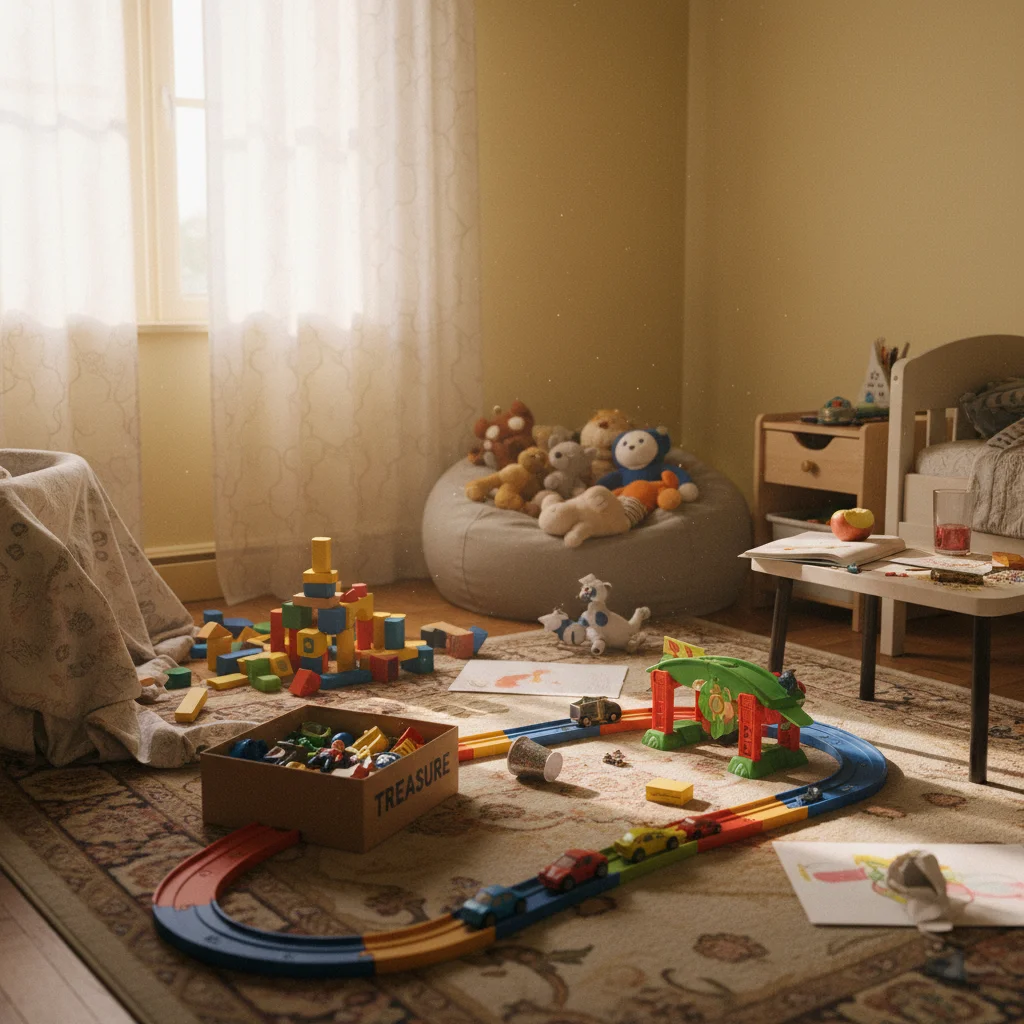
The ceramic lamp crashed to the floor at 7:43 PM on a Tuesday. My son hadn't thrown it in anger or knocked it over during a tantrum—he'd been examining the cord with the kind of intense curiosity that always makes my stomach clench. By the time I reached him, he was already pulling at the broken pieces, fascinated by the way the light bulb had shattered.
That's when I realized: what I'd been calling "destruction" wasn't vandalism at all. It was his ADHD brain seeking the stimulation it desperately needed.
Your child isn't trying to destroy your home. They're not being defiant or disrespectful. Their brain is literally wired to seek sensory input in ways that can look destructive to us—but make perfect neurological sense once you understand what's happening.
Why Your ADHD Child's Brain Craves "Destructive" Input
ADHD brains run on four key neurotransmitter pathways: dopamine (reward and motivation), serotonin (mood regulation), GABA (calming signals), and norepinephrine (alertness). When these pathways are understimulated, your child's brain sends urgent signals: find stimulation now.
The problem? The most readily available stimulation often involves touching, pulling, breaking, or manipulating objects in ways we don't expect.
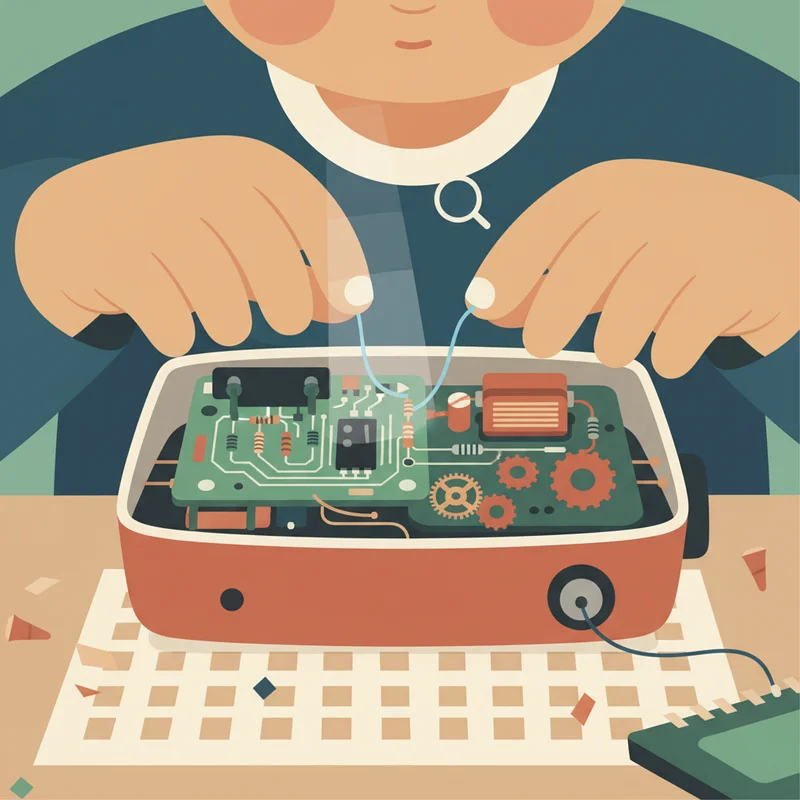
"My daughter took apart three remote controls last month. I thought she was being destructive until I realized she was studying how the buttons worked. Her brain needed that tactile feedback."
This isn't willful destruction—it's dopamine-seeking behavior. Their brain is literally rewarding them for finding novel sensory experiences, even when those experiences involve taking things apart or handling objects roughly.
The Understimulation-Hyperactivity Loop That Looks Like Chaos
Here's what's really happening in your living room: when ADHD brains don't get enough stimulation from their environment, they create it themselves. This might look like:
- Peeling wallpaper or picking at furniture edges
- Dismantling toys beyond repair
- Rough handling of books, leaving pages torn
- Fidgeting with and breaking small household items
- Creating holes in clothing through repetitive touching
What we see as "hyperactive destructiveness" is actually their nervous system trying to regulate itself. The GABA pathway, which should help them feel calm and controlled, is underactive. The norepinephrine pathway is sending mixed signals about alertness levels.
This creates what I call the "destruction loop"—the more understimulated they feel, the more intense their seeking behavior becomes. And the more intense their seeking behavior, the more likely something gets broken in the process.
When It's Normal ADHD vs. When to Worry
Most ADHD behavior isn't actually bad behavior—it's brain chemistry working differently. But how do you know if your child's destructive tendencies are within the normal range?
Typical ADHD destruction patterns: Curiosity-driven, happens during understimulated moments, child seems genuinely surprised by breakage, occurs more when routine is disrupted.
Red flags to discuss with your pediatrician: Deliberate breaking during emotional regulation (throwing things in anger), destruction that seems to bring satisfaction rather than curiosity, or patterns that escalate despite environmental changes.
The key difference is intent. ADHD children rarely set out to break things—they're exploring, investigating, or seeking stimulation. The destruction is a byproduct, not the goal.
Creating 'Destruction-Safe' Zones and Redirecting the Energy
Instead of fighting this neurological need for intense input, we can redirect it. Here's what worked in our house:
Designate a "take-apart box": Fill it with old electronics, broken appliances, or toys you don't mind being dismantled. Let them explore with supervision.
Heavy work activities: Carry laundry baskets, rearrange furniture, dig in the garden. These activities stimulate the same pathways without risking household items.
Fidget alternatives: Stress balls, putty, or textured toys can provide the tactile input they're seeking through destructive behavior.
The goal isn't to stop their brain from seeking stimulation—it's to give that seeking behavior appropriate outlets. When we understand that their "destructiveness" is actually their nervous system trying to function, we can work with their neurology instead of against it.
Remember: your ADHD child isn't lazy—they're understimulated. The same principle applies to destructive behavior. They're not trying to ruin your home—they're trying to regulate their brain chemistry with the tools they have available.
Is your child's hyperactivity creating chaos at home?
Take our free assessment to understand your child's specific ADHD patterns and get personalized strategies that work with their brain, not against it.
TAKE THE FREE ASSESSMENT →

