
It's 8 PM. You've survived the day. Your ADHD child should be winding down, but instead they're bouncing off walls like they just chugged an energy drink.
You're not imagining it. This isn't defiance or manipulation. Your child's brain is literally doing the opposite of what neurotypical brains do at bedtime — and it's not your fault as a parent.
The Bedtime Explosion Pattern Every ADHD Parent Knows
The pattern is painfully predictable. All day, your child struggled with focus, emotional regulation, and impulse control. They crashed after school. They were clingy or moody through dinner.
Then 7 PM hits, and suddenly they're the Energizer Bunny. They're silly, hyperactive, emotional, and absolutely resistant to anything resembling a bedtime routine.
Meanwhile, you're exhausted from managing their day. You need them to wind down so you can recharge. Instead, you get the most challenging version of your child right when you have the least capacity to handle it.
Why ADHD Brains Do the Opposite at Night
Here's what's happening in your child's brain that explains the bedtime chaos — and why ADHD isn't bad behavior, it's brain chemistry.
ADHD affects four key neurotransmitter pathways: dopamine (focus and motivation), serotonin (mood regulation), GABA (calming), and norepinephrine (alertness). In neurotypical kids, these systems naturally shift toward sleep mode in the evening.
But ADHD brains are wired differently. The very systems that should be calming down are actually ramping up, creating what I call the "bedtime brain storm."
Your child's brain is fighting against its own natural rhythm, creating internal chaos that looks like external defiance.
The Cortisol-Melatonin Battle Happening in Your Child's Brain
In typical development, cortisol (stress hormone) drops in the evening while melatonin (sleep hormone) rises. This creates the natural drowsiness that helps kids transition to sleep.
ADHD disrupts this delicate balance. Your child's cortisol may spike instead of dropping — especially if they've had a challenging day at school or experienced overstimulation. High cortisol blocks melatonin production, creating a brain that's wired but tired.
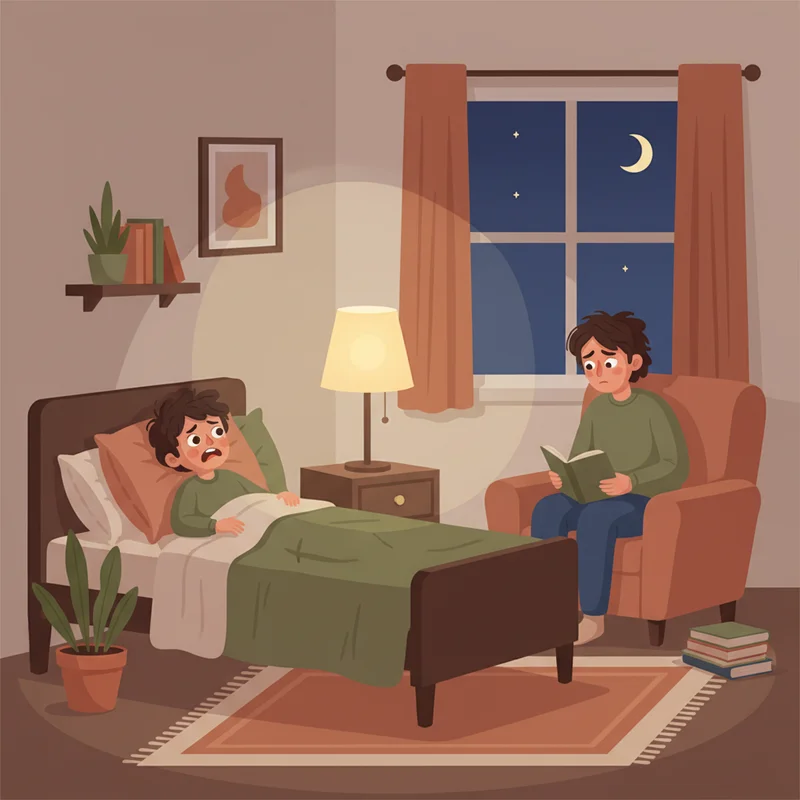
The result? A child who's physically exhausted but neurologically activated. They feel both sleepy and anxious, calm and hyperactive, all at once. No wonder they melt down.
How Stimulant Medication Timing Affects Evening Behavior
If your child takes ADHD medication, timing plays a huge role in bedtime behavior. As stimulants wear off in the afternoon and evening, you might see what's called "rebound hyperactivity" — symptoms that are actually worse than baseline.
This isn't the medication failing. It's your child's brain overcorrecting as dopamine levels drop. The crash creates irritability, emotional dysregulation, and paradoxical hyperactivity just when you need them most calm.
Many parents experience the 4 PM crash when ADHD medication wears off, which can extend into evening explosions if not properly managed.
The Overstimulation Accumulation Effect
Think of your ADHD child's nervous system like a cup that fills throughout the day with every sensory input, social interaction, and demand for self-regulation.
By evening, that cup is overflowing. Even normal bedtime routines — brushing teeth, changing clothes, transitioning between activities — become the drops that cause the overflow into meltdown mode.
This is why your child might handle the same routine fine on weekends but completely lose it on school nights. It's not the routine itself — it's the accumulated stress of the day meeting a brain that's already maxed out.
Natural Ways to Prepare the ADHD Brain for Sleep Transition
Understanding the brain science opens up solutions. Instead of fighting your child's neurology, you can work with it.
Create a sensory wind-down hour. Starting 60 minutes before bedtime, reduce stimulation gradually. Dim lights, lower voices, eliminate screens. This gives the cortisol-melatonin shift time to happen naturally.
Use heavy work activities. Deep pressure therapy can reset hyperactivity in just five minutes. Try wall pushes, carrying heavy objects, or a weighted blanket to activate the calming system.
Address the day's accumulation. Build in decompression time after school before jumping into evening routines. Even 15 minutes of downtime can prevent the overflow effect later.
The 4-Pathway Approach to Evening Regulation
Remember those four brain pathways ADHD affects? Evening regulation requires supporting all of them simultaneously.
Dopamine support: Provide positive attention and connection during wind-down instead of battles over compliance.
Serotonin support: Use consistent routines and predictable expectations to reduce anxiety about the unknown.
GABA support: Incorporate calming activities like reading together, gentle music, or breathing exercises.
Norepinephrine regulation: Gradually reduce stimulation and excitement throughout the evening transition.
Most approaches target only one pathway. That's why magnesium alone won't fix your child's meltdowns — it primarily affects GABA, leaving the other three systems still dysregulated.
When to Worry and When It's Just ADHD Being ADHD
Bedtime resistance is normal for ADHD kids. But some signs indicate you might need additional support:
Concerning signs: Sleep issues are getting worse over time, your child takes hours to fall asleep even with perfect routines, or bedtime battles are affecting your entire family's mental health.
ADHD being ADHD: Your child needs longer to wind down than siblings, bedtime routines require more structure and consistency, or they have bursts of energy right before finally crashing.
The goal isn't to eliminate all bedtime challenges — it's to understand your child's unique neurology and work with it instead of against it.
Most importantly, remember that when your ADHD child turns into a different kid at night, it's not a reflection of your parenting. It's their brain doing exactly what ADHD brains do.
Parent Training — Limited Spots
Tired of Walking on Eggshells Around Meltdowns?
Licensed therapist Anneliese teaches a step-by-step framework for managing ADHD meltdowns, building connection, and ending the daily battles. 9 video modules parents are calling life-changing.
87 of 100 spots taken · 9 video modules · $9.99 trial
START YOUR $9.99 TRIAL →Is your child's bedtime chaos more than typical ADHD challenges?
Take our free assessment to understand your child's unique needs and get personalized strategies that actually work with their brain, not against it.
TAKE THE FREE ASSESSMENT →

