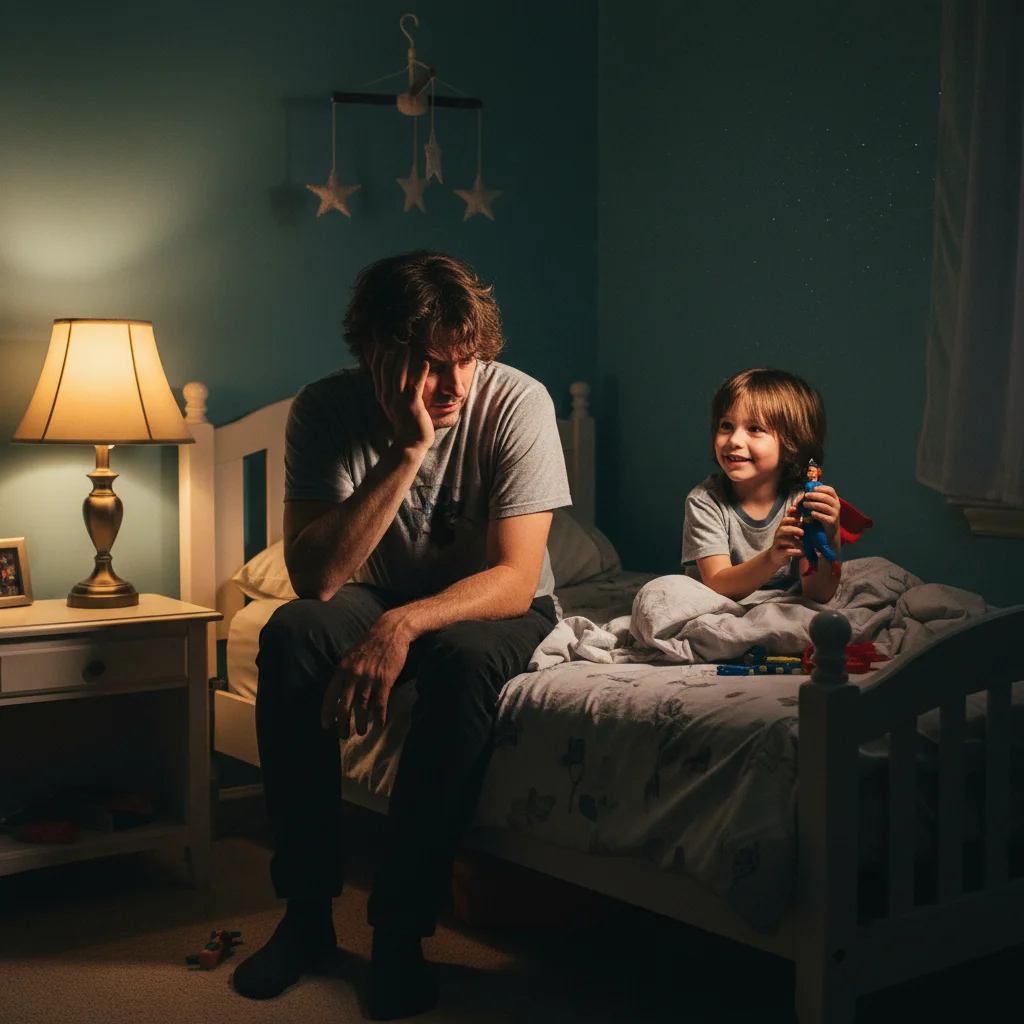
3:12 AM. Your phone buzzes. Your child's bedroom light is on. Again.
You find them bouncing on their bed, wide awake, talking a mile a minute about Pokémon or Minecraft or whatever obsession has hijacked their brain. Meanwhile, you're calculating how many hours of sleep you'll get before the morning chaos starts.
Here's what I need you to know first: This isn't your fault. Your ADHD child's nighttime hyperactivity isn't happening because of something you did or didn't do. It's happening because their brain chemistry operates on a completely different schedule than neurotypical brains.
The 3 AM Wake-Up Call That Changed Everything I Knew About ADHD
My son Jake started this pattern at age 6. Every night, like clockwork, he'd wake up between 2-4 AM with enough energy to power a small city.
The pediatrician told us it was "just a phase." The sleep specialist blamed screen time. My mother-in-law suggested stricter bedtime routines. Everyone had theories. None of them worked.
It wasn't until I dove deep into the research on ADHD circadian rhythms that I finally understood what was happening inside his brain at 3 AM. The answer changed everything about how we approach nighttime in our house.
What Happens to ADHD Brains During Sleep Cycles
Here's the science most parents never hear: ADHD brains have fundamentally different sleep-wake cycles than neurotypical brains. Research shows that children with ADHD produce melatonin 90 minutes later than their peers.
But melatonin timing is just the beginning. The real issue happens in the middle of the night when your child should be in deep sleep. Instead, their brain chemistry creates what researchers call "nocturnal hyperarousal" — a state where four key neurotransmitter systems go completely haywire.
Think of it like a car where the engine revs randomly throughout the night instead of staying idle. Your child isn't choosing to be awake at 3 AM. Their brain chemistry is forcing them awake.
Why Dopamine and Norepinephrine Go Haywire at Night
During normal sleep, dopamine and norepinephrine levels should drop significantly. This allows the brain to rest and recharge. But in ADHD brains, these neurotransmitters can spike unexpectedly during what should be quiet sleep phases.
When dopamine surges at 3 AM, your child's brain suddenly craves stimulation and reward. This is why they wake up talking about their latest obsession or wanting to build a Lego creation right now.
The norepinephrine spike creates alertness and energy — the opposite of what should happen during sleep. It's like their brain hit the "wake up now" button when it should be in deep rest mode.
This neurochemical chaos explains why your ADHD child gets explosive at bedtime — their brain is literally fighting their body's need for sleep.
The Circadian Rhythm Disruption That Triggers Midnight Hyperactivity
ADHD children often have what's called a "delayed sleep phase disorder." Their internal clock runs about 2 hours later than typical children. When your child should be producing sleep-promoting hormones, they're still in "daytime mode."
This creates a domino effect. Poor sleep quality leads to more severe ADHD symptoms during the day. Those intense daytime symptoms create more stress and overstimulation. More stress disrupts sleep even further. It becomes a vicious cycle.
The midnight hyperactivity isn't random — it often happens during REM sleep transitions when the brain should be consolidating memories and emotions. Instead, ADHD brains experience arousal spikes that jolt them awake.
How Screen Time 6 Hours Earlier Creates 3 AM Chaos
Here's what shocked me: the screen time at 4 PM was creating the 3 AM wake-ups. Blue light exposure in the late afternoon and evening disrupts melatonin production for up to 6-8 hours.
For ADHD children who already produce melatonin later, any additional disruption creates perfect conditions for middle-of-the-night hyperactivity. The brain can't distinguish between artificial light and daylight, so it stays in "alert mode" far longer than it should.
This is why the typical advice about avoiding screens before bed misses the mark. The damage happens hours earlier, during what most families consider normal afternoon screen time.
The Supplement Timing That Finally Regulated His Sleep-Wake Cycle
After 18 months of sleep chaos, I discovered something that changed everything: the timing of natural support matters just as much as what you give.
Research suggests that saffron can support healthy sleep-wake cycles by working on all four neurotransmitter pathways that get disrupted in ADHD brains. A 2019 clinical study showed that saffron supplementation helped regulate both daytime focus and nighttime sleep in children with ADHD.
The key was giving it earlier in the day (around 2 PM) rather than at bedtime. This allowed the brain chemistry to stabilize gradually instead of trying to force a sudden change at night.
Unlike single-pathway approaches like magnesium alone, which only address one piece of the puzzle, multi-pathway support helped regulate Jake's entire sleep-wake cycle.
When to Worry vs. When It's Normal ADHD Sleep Disruption
Occasional 3 AM wake-ups are normal for ADHD children. But there are warning signs that suggest you need professional help:
- Nightly wake-ups lasting more than 2 hours
- Aggressive or violent behavior during nighttime wake-ups
- Daytime functioning severely impacted by sleep loss
- Night terrors or sleep walking
- Complete inability to fall back asleep without parental intervention
Most ADHD sleep disruptions improve with the right combination of environmental changes, consistent routines, and targeted nutritional support. But severe sleep disorders may need additional intervention from a pediatric sleep specialist.
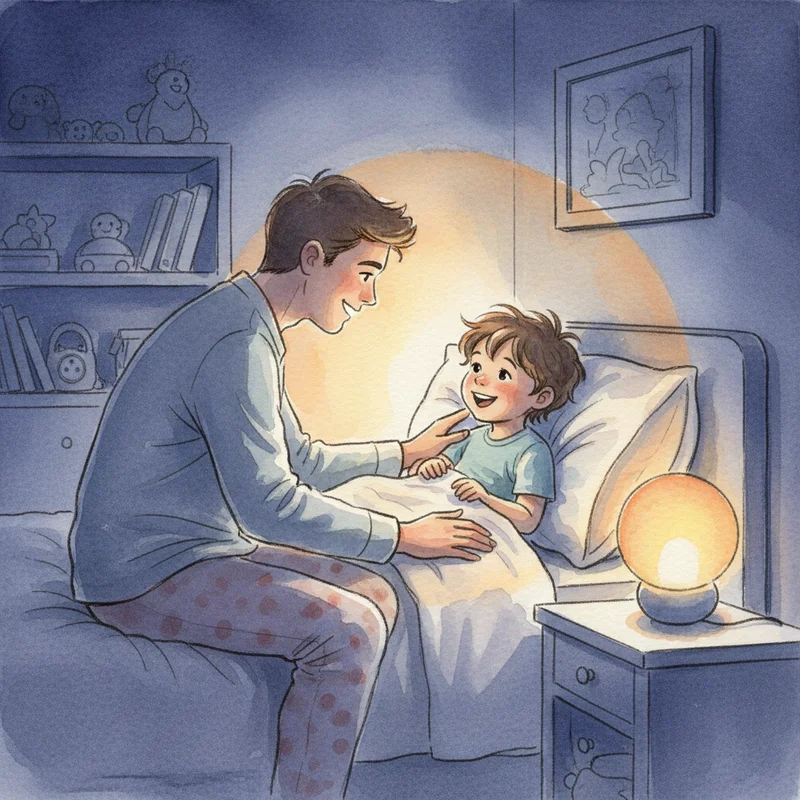
"Understanding that Jake's 3 AM energy wasn't defiance — it was brain chemistry — changed everything about how I responded to those midnight wake-ups."
Your child's nighttime hyperactivity isn't a behavioral choice. It's a neurological reality that requires understanding, not frustration. With the right approach, those 3 AM wake-up calls can become much less frequent — and much more manageable when they do happen.
Is your child's sleep chaos affecting the whole family?
Take our 2-minute assessment to discover what might be disrupting your child's sleep-wake cycle and get personalized recommendations for your situation.
TAKE THE FREE ASSESSMENT →

