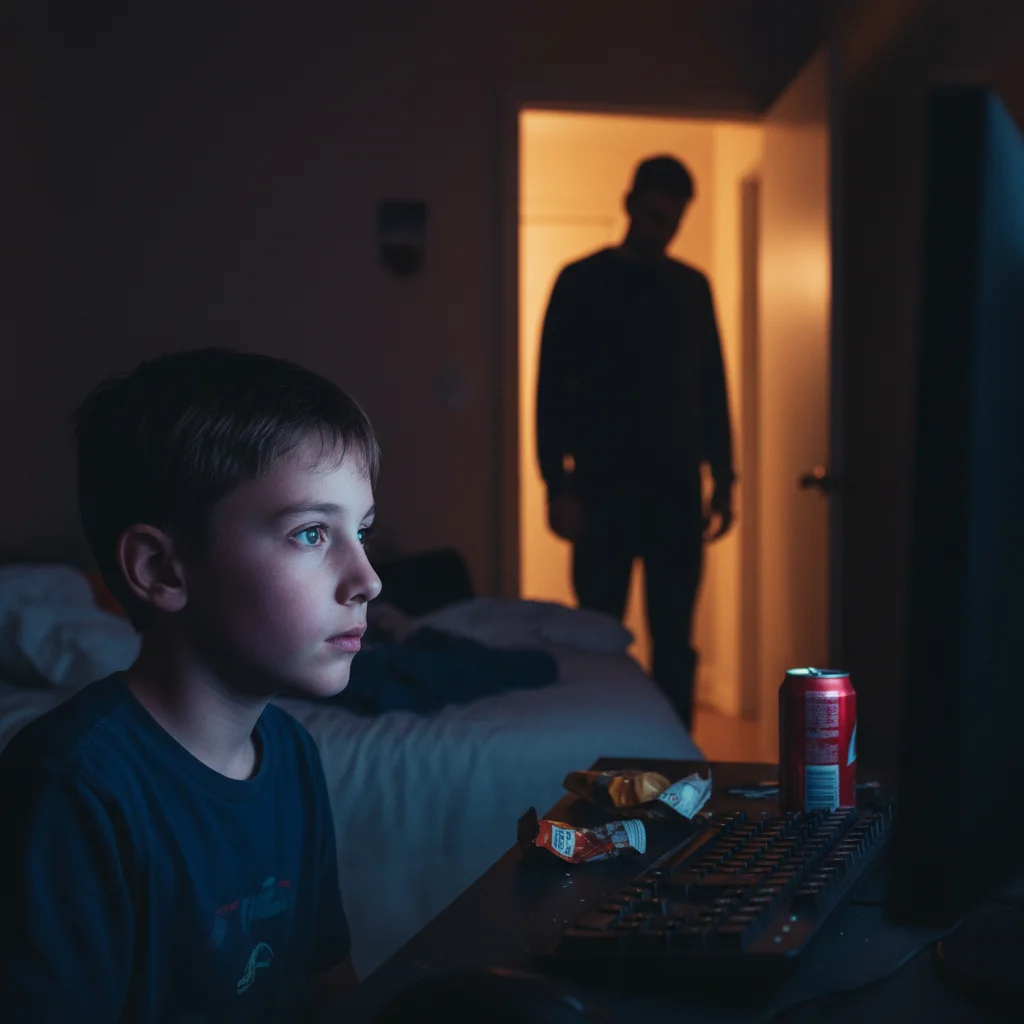
It started innocently enough. My nine-year-old discovered Minecraft and suddenly had something that could hold his attention for hours. After years of struggling with focus and hyperactivity, I was honestly relieved.
Then it became his entire world. He'd wake up asking about Minecraft. He'd negotiate screen time before breakfast. Taking it away triggered explosive meltdowns that left us both exhausted. This wasn't normal kid behavior — this was desperation.
If you're watching your ADHD child become consumed by video games, you're not witnessing defiance or addiction in the traditional sense. You're seeing a brain that's found its only reliable source of the neurotransmitters it's been desperately craving.
When Minecraft Became His Whole World Overnight
The transformation was dramatic. My son, who usually couldn't sit still for five minutes, would play for three hours straight without moving. He'd forget to eat, ignore bathroom breaks, and become completely unreachable while gaming.
When screen time ended, the aftermath was brutal. He'd rage, cry, and sometimes become physically aggressive. It felt like watching someone go through withdrawal — because that's exactly what was happening.
The gaming wasn't just entertainment. For his ADHD brain, it had become a survival mechanism.
Why ADHD Brains Get Trapped in Digital Dopamine Loops
ADHD brains have chronically low baseline dopamine levels. Dopamine is the neurotransmitter responsible for motivation, reward, and the ability to feel satisfaction from everyday activities. When your child's dopamine system is underactive, normal life feels unrewarding and flat.
Video games are dopamine delivery systems designed to be irresistible. Every block placed in Minecraft, every level completed, every achievement unlocked triggers a small dopamine hit. For an ADHD brain starving for this neurotransmitter, gaming becomes like finding water in a desert.
While neurotypical kids can get dopamine from various activities, ADHD kids often find that only high-intensity, fast-reward activities like gaming provide enough stimulation to feel "normal."
This isn't laziness or bad behavior. It's brain chemistry seeking what it needs to function.
The Neuroscience of Gaming Addiction in ADHD Kids
ADHD affects four key neurotransmitter pathways: dopamine, serotonin, norepinephrine, and GABA. Gaming primarily floods the dopamine pathway while leaving the others unaddressed.
When your child games, their brain experiences:
- Dopamine surges from constant micro-rewards and achievements
- Hyperfocus activation — the ADHD superpower that creates laser-like attention
- Sensory regulation through controlled visual and auditory input
- Executive function bypass — the game makes all the decisions, reducing cognitive load
Gaming essentially becomes their brain's medication. It temporarily corrects the neurochemical imbalances that make regular life feel impossible.
How Depleted Real-World Dopamine Makes Screens Irresistible
After hours of artificial dopamine flooding, your child's natural production becomes even more depleted. Real-world activities — homework, chores, even playing with toys — can't compete with the instant, intense rewards that screens provide.
This creates a vicious cycle. The more they game, the less satisfaction they can get from anything else. Their tolerance for normal dopamine levels drops, making screens the only thing that feels rewarding.
It's similar to how medication tolerance can develop — the brain adapts to higher stimulation levels and needs more to achieve the same effect.
The Withdrawal Symptoms When You Take It Away
When screen time ends, ADHD kids often experience genuine withdrawal symptoms:
- Intense irritability and rage
- Depression and hopelessness
- Physical restlessness
- Inability to find anything else interesting
- Sleep disruption
These aren't tantrums — they're neurological responses to suddenly losing their primary dopamine source. The violence that sometimes follows is their nervous system in crisis mode.
Rebuilding Natural Dopamine Pathways With Targeted Nutrition
Breaking the gaming obsession requires rebuilding your child's natural dopamine production. This means addressing the underlying neurochemical deficiencies that made screens so appealing in the first place.
Research suggests that supporting all four neurotransmitter pathways — not just dopamine — can help restore natural reward sensitivity. The 2019 clinical study by Baziar and colleagues showed that saffron extract, which works on dopamine, serotonin, GABA, and norepinephrine pathways, demonstrated comparable efficacy to methylphenidate for ADHD symptoms.
Unlike single-ingredient supplements like magnesium alone, addressing multiple pathways simultaneously may help restore the brain's natural balance and reduce the desperate seeking behavior that drives gaming obsession.
Screen Weaning Strategies That Actually Work for ADHD Brains
Cold turkey rarely works with ADHD kids because their brains genuinely depend on the dopamine gaming provides. Instead, try gradual reduction with dopamine bridge activities:
- High-intensity physical activity before and after gaming (trampolines, bike rides)
- Creative building projects that provide similar satisfaction to Minecraft
- Music or rhythm activities that stimulate multiple brain regions
- Novel experiences that trigger natural dopamine without screens
The key is finding activities that provide enough dopamine stimulation to feel rewarding while their natural production rebuilds.
Creating Real-World Activities That Compete With Digital Dopamine
Normal activities won't work initially — you need high-dopamine alternatives. Think activities with immediate feedback, clear progress markers, and intense sensory input:
Building and Creating: LEGO projects, model building, woodworking — anything where they can see immediate results from their efforts.
Physical Challenges: Rock climbing, martial arts, skateboarding — activities that provide intense sensory feedback and achievement milestones.
Music and Rhythm: Drumming, guitar, music production software — combines creativity with instant auditory feedback.
The goal isn't to eliminate gaming entirely, but to expand your child's dopamine portfolio so screens aren't their only source of neurochemical satisfaction.
Is Your ADHD Child Struggling With Screen Time Battles?
Our free assessment helps identify whether underlying brain chemistry issues are driving your child's gaming obsession and provides personalized strategies for rebuilding natural reward pathways.
TAKE THE FREE ASSESSMENT →

