
The blood on Emma's sheets stopped me cold. Not from an injury — from her fingertips where she'd picked the skin raw during the night. This isn't your fault, and it's not a behavior problem. Skin picking in ADHD kids is a neurological response to overwhelm, not defiance.
When I found those bloodstains three months after her ADHD diagnosis, I panicked. Was she self-harming? Was this my fault for being too strict? The pediatrician's quick dismissal — "just tell her to stop" — left me feeling completely alone.
The Day I Found Blood on My Daughter's Sheets
Emma was 8 when the picking started. It began with her cuticles during homework time, then spread to her arms and legs. By bedtime, her fingertips were raw.
I tried everything the internet suggested: bitter nail polish, gloves, constant reminders. Nothing worked. The picking got worse when I drew attention to it. Emma's anxiety around any change was skyrocketing, and the skin picking seemed to be her brain's way of coping.
That morning, seeing the blood, I realized I was approaching this all wrong. This wasn't willful destruction — it was neurological regulation, not bad behavior.
What Skin Picking Actually Is in ADHD Brains
Body-focused repetitive behaviors (BFRBs) like skin picking aren't self-harm — they're sensory regulation. Emma's ADHD brain was desperately trying to find calm through repetitive touch and pressure.
The picking served three functions: it provided sensory input her understimulated nervous system craved, it helped her focus during overwhelming tasks, and it released tension when her emotional regulation system was maxed out.
"It's like my brain gets itchy on the inside, and picking makes it quiet."
That's how Emma described it six months later, when we finally understood what was happening. Her brain wasn't trying to hurt her body — it was trying to regulate itself.
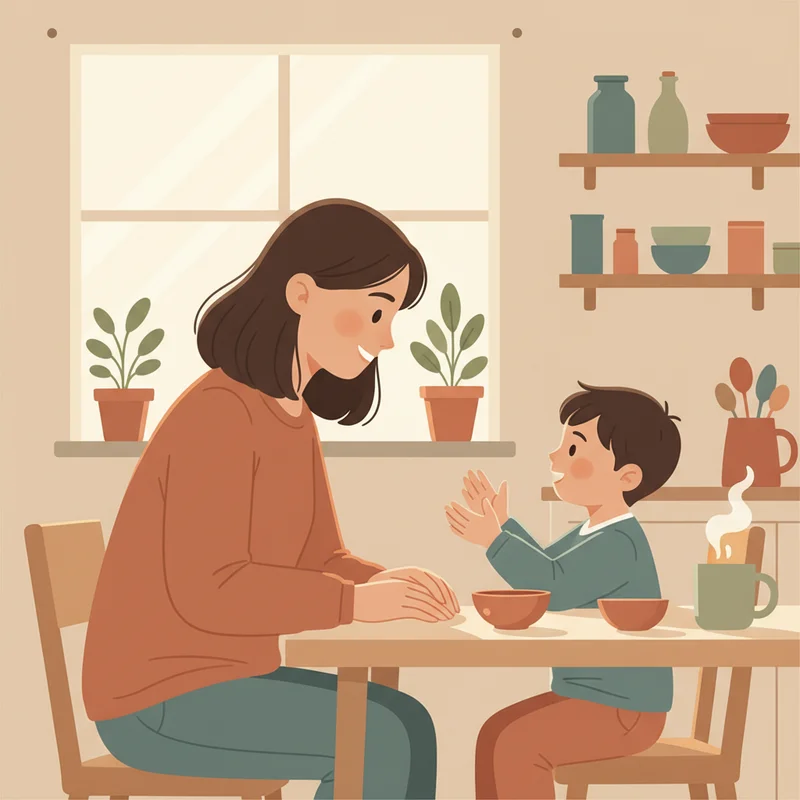
The Difference Between Stimming and Self-Harm
The key difference is intent and feeling. ADHD sensory seeking behaviors like skin picking happen automatically, often without the child realizing they're doing it. True self-harm is typically intentional and done with awareness.
Emma picked when she was concentrating, when she was anxious, or when she was understimulated. She wasn't trying to hurt herself — she was trying to feel better. The injury was an unfortunate side effect, not the goal.
Why Punishment Makes Skin Picking Worse
Every time I told Emma to "stop picking," her anxiety spiked. Punishment doesn't work for ADHD kids because it adds shame to an already overwhelmed nervous system.
The picking was her brain's attempt to self-regulate. When I interrupted that without offering an alternative, her need for sensory input didn't disappear — it just got more desperate.
I learned to redirect instead of restrict. "Your hands look like they need some input" became our code for recognizing the need and finding a better way to meet it.
Parent Training — Limited Spots
Stop Fighting Your Child's Nervous System and Start Supporting It
Learn why traditional discipline backfires with ADHD kids and discover regulation-based strategies that actually work.
87 of 100 spots taken · 9 video modules · $9.99 trial
START YOUR $9.99 TRIAL →Sensory Alternatives That Actually Worked
We needed to give Emma's sensory system what it was seeking without the tissue damage. Here's what saved us:
Fidget tools with similar tactile feedback: Therapy putty, textured stress balls, and velcro strips attached to her desk. The key was matching the sensory experience she was getting from picking.
Heavy work before high-stress times: Wall push-ups before homework, carrying heavy books, or doing jumping jacks. Heavy work input calmed her nervous system proactively.
Scheduled sensory breaks: Every 20 minutes during homework, Emma got 2 minutes with her sensory tools. This prevented the overwhelm that triggered picking in the first place.
How to Heal the Wounds (Both Physical and Emotional)
The physical healing was straightforward — antibiotic ointment and bandages. The emotional healing took longer. Emma carried shame about the picking that needed addressing.
We had conversations about how her brain works differently, not wrongly. Rebuilding her self-esteem meant helping her understand that needing sensory input isn't a character flaw — it's neurodivergent wiring.
"Your brain is extra smart at noticing when it needs help regulating. We just needed to find better tools than your fingernails."
When to Seek Professional Help
Contact your pediatrician if the picking causes significant tissue damage, if infection develops, or if your child expresses intent to harm themselves. Most ADHD-related skin picking responds well to sensory alternatives and doesn't require medication.
An occupational therapist specializing in sensory processing can be incredibly helpful for developing a personalized sensory diet that meets your child's specific needs.
What We Do Now When the Picking Starts
Emma still picks sometimes, especially during stressful periods or when she's hyperfocused. But now we have a system:
- I notice the picking and say, "Looks like your hands need some work."
- She chooses from her sensory toolkit — putty, textured fidget, or a movement break.
- We address the underlying need (too much stimulation, not enough, or emotional overwhelm).
- No shame, no punishment, just problem-solving together.
The bloodstains on her sheets are a thing of the past. More importantly, Emma learned that her sensory needs aren't something to hide — they're information her brain is giving us about what she needs to feel regulated and calm.
Is your child showing signs of sensory overwhelm?
Take our free assessment to understand what's happening in your child's nervous system and get personalized support strategies.
TAKE THE FREE ASSESSMENT →
