
Day one of spring break. 10:47 AM. Your ADHD child is already melting down because they're "bored" and there's "nothing to do." The freedom you thought they'd love has turned into chaos.
This isn't defiance. It's not ingratitude. It's neurological whiplash — and it's completely predictable once you understand what's happening in the ADHD brain when structure disappears.
Why the First Day Off School Triggers the Structure Crash
School provides something the ADHD brain desperately needs: external structure. Bells, schedules, clear transitions. When that disappears overnight, it's like removing the scaffolding from a building that's still under construction.
The ADHD brain struggles with executive function — the ability to self-regulate, plan, and organize. School's rigid structure does that work for them. Without it, they're lost.
I learned this the hard way with my son Jake. His first spring break meltdown happened before I'd even finished my coffee. I thought he was being dramatic. I didn't realize his brain was genuinely struggling to function without external cues.
The Neurochemical Chaos When Dopamine Schedules Disappear
Here's what's really happening: school creates predictable dopamine hits. Math at 9 AM, recess at 10:30, lunch at noon. The ADHD brain learns to expect these rewards.
During breaks, that dopamine schedule vanishes. No bells, no structured activities, no clear "wins." The brain that was getting regular neurochemical fuel suddenly runs on empty.
The ADHD brain needs predictable stimulation patterns. Remove the pattern, and you get chaos — not because they're being difficult, but because their neurochemistry is scrambled.
This is why your child seems fine at school but falls apart at home during breaks. It's not about you. It's about the missing structure their brain depends on.
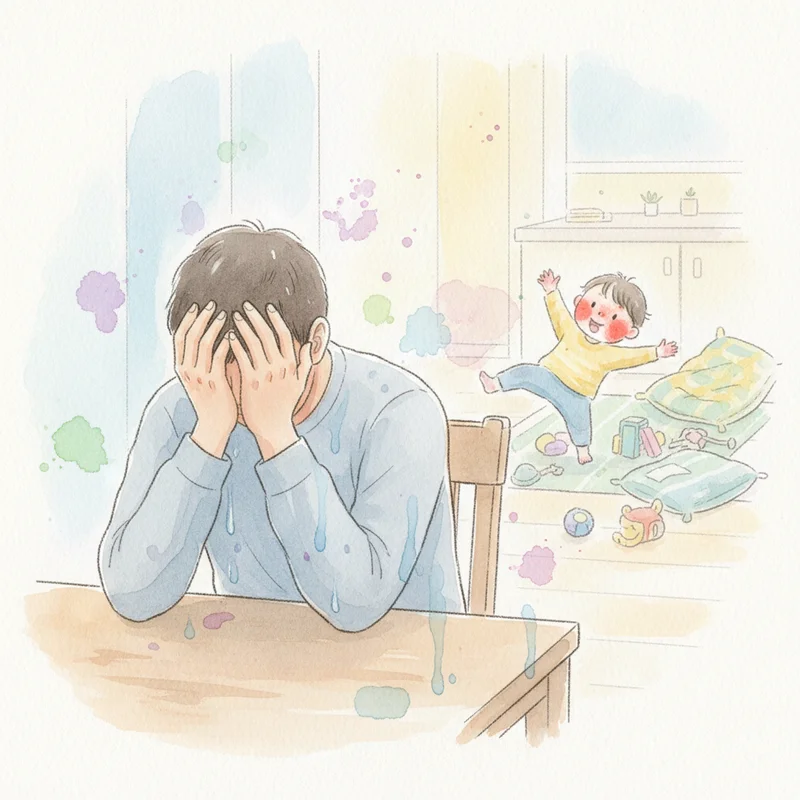
How Boredom Becomes Rage in the ADHD Brain
When your ADHD child says "I'm bored," they're not fishing for entertainment. They're describing a neurological state — understimulation that feels genuinely uncomfortable.
The ADHD brain needs constant input to feel regulated. Your ADHD child isn't lazy — they're understimulated, and boredom triggers a fight-or-flight response.
That's why "boredom" quickly escalates to rage. They're not being dramatic — they're dysregulated. Their brain is desperately seeking the stimulation it needs to function.
The Hidden Exhaustion From 6 Months of Masking at School
By spring break, your child has been masking at school for months. Sitting still when their body wants to move. Following rules that feel impossible. Suppressing their natural impulses for 6+ hours daily.
Spring break isn't just a schedule disruption — it's when that accumulated exhaustion hits. All the energy they've spent "being good" at school comes crashing down.
This is why ADHD children save their worst behavior for home. They're not targeting you — they're finally safe enough to fall apart.
Building Micro-Routines That Don't Feel Like School
The solution isn't recreating school at home. It's creating gentle structure that provides neurochemical stability without feeling restrictive.
I call it the 3-Anchor System: three predictable daily touchpoints that give the ADHD brain the structure it craves.
- Morning Anchor: Same wake-up routine, even if bedtime was later
- Midday Anchor: Consistent lunch timing and brief quiet time
- Evening Anchor: Predictable dinner and wind-down routine
Between these anchors? Complete freedom. But those three touchpoints prevent the neurochemical chaos that triggers meltdowns.
Natural Energy Regulation When Stimulation Patterns Change
During school breaks, your child's stimulation needs change dramatically. No playground at recess, no structured PE, no classroom movement breaks.
The ADHD brain needs alternative ways to regulate energy. This isn't about burning off hyperactivity — it's about providing the sensory input that keeps their nervous system balanced.
Deep pressure therapy techniques can replace the structured movement they're missing from school. Think weighted blankets, bear hugs, or even jumping on a trampoline for 5-minute bursts.
The 15-Minute Reset Routine That Saves Break Days
When dysregulation hits, you need a quick reset. Here's what worked for us:
- 3 minutes of deep breathing or gentle movement
- 5 minutes of sensory input (weighted lap pad, fidget toys)
- 7 minutes of predictable, low-stimulation activity
This isn't punishment or time-out. It's neurological reset — giving their brain the regulation it needs to function again.
The key is having this routine established before you need it. Practice when they're calm, so it's available when chaos hits.
Prepping the Brain Chemistry for School Re-Entry
The end of spring break can be just as challenging as the beginning. Their brain has adapted to unstructured time, and school re-entry triggers another adjustment.
Start reintroducing structure 2-3 days before school returns. Earlier bedtimes, structured meal times, brief "learning" activities. You're not being mean — you're helping their neurotransmitters readjust.
This transition support prevents the post-break school meltdowns that many ADHD families experience. A little preparation makes re-entry smooth instead of traumatic.
Is your ADHD child struggling with routine changes?
Understanding your child's specific triggers and regulation needs can transform challenging transitions like spring break from chaos into manageable moments.
TAKE THE FREE ASSESSMENT →

