
The call came at 2:47 PM on a Tuesday. "Mrs. Harlow, we need you to come pick up Oliver immediately. He's been suspended for fighting." My heart stopped. My 9-year-old son — who couldn't hurt a fly — suspended for fighting?
What I discovered that day changed everything about how I understood ADHD kids, school aggression, and the hidden bullying crisis that schools consistently miss. Your child isn't the problem. The system is broken.
The Call from the Principal That Changed Everything
When I arrived at school, Oliver was sitting in the principal's office with a split lip and tear-stained cheeks. The other boy — let's call him Jake — didn't have a scratch on him. Yet somehow, Oliver was the one being suspended.
"Oliver threw the first punch," the principal explained. "We have a zero-tolerance policy for violence." What they didn't see was the three months of daily harassment that led to that moment. The name-calling. The pencils thrown at Oliver's head. The deliberate tripping in the hallway.
ADHD kids like Oliver don't just explode out of nowhere. They explode when their emotional regulation finally breaks down under constant pressure. When teachers miss the emotional regulation crisis, they see the reaction — never the cause.
Why ADHD Kids Become Easy Targets for Bullies
Here's what I learned from our behavioral therapist: ADHD children are 3x more likely to be bullied than neurotypical kids. They're easy targets because they:
- React dramatically — Bullies love the big emotional response
- Struggle with social cues — They miss the subtle warning signs
- Have trouble with impulse control — They can't "just ignore it" like adults suggest
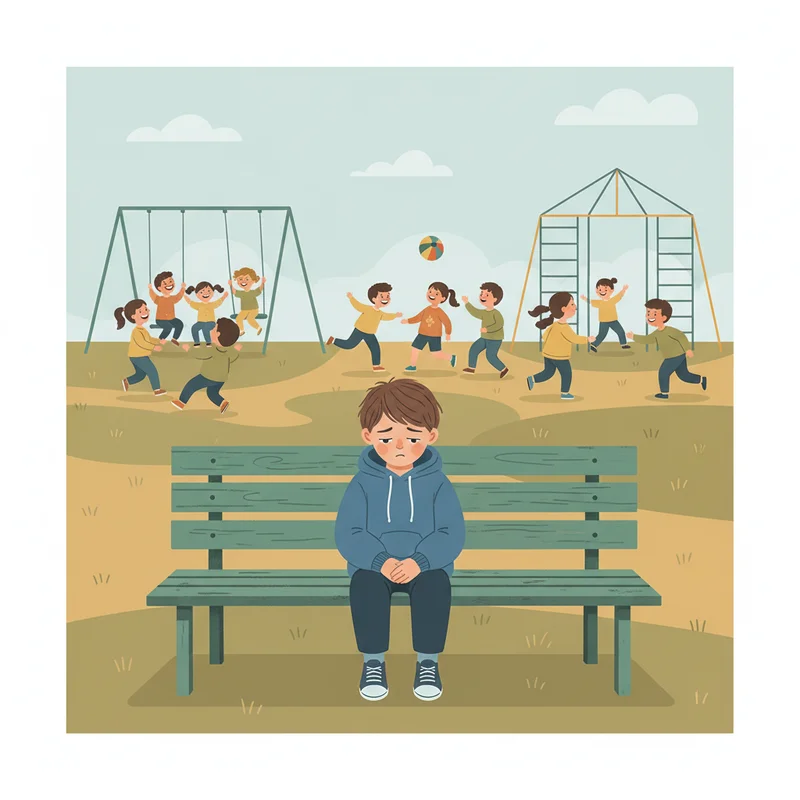
- Are often isolated socially — They struggle to maintain friendships that could protect them
Oliver fit this profile perfectly. His loud reactions to teasing made him a magnet for kids who enjoyed getting a rise out of him.
The Difference Between ADHD Aggression and Fighting Back
This distinction is critical and schools get it wrong constantly. There are two types of aggression:
Proactive aggression: Planned, goal-oriented, often seen in true bullies. "I'm going to hurt this kid to get what I want."
Reactive aggression: Emotional, defensive, impulsive. "I can't take this anymore and I'm going to make it stop." This is what Oliver exhibited.
ADHD kids almost always show reactive aggression — they're responding to a threat (real or perceived) when their emotional regulation system is overwhelmed. The brain chemistry crisis that drives these reactions is neurological, not behavioral.
What Schools Don't Understand About Reactive vs. Proactive Aggression
When I met with Oliver's teacher the next day, she said something that floored me: "Well, Oliver should have just walked away." This reveals a fundamental misunderstanding of how ADHD brains work under stress.
During a reactive aggression episode, the ADHD child's prefrontal cortex — the part responsible for rational decision-making — goes offline. They literally cannot "just walk away" any more than you could choose to stop your heart from beating.
Schools see the end result (Oliver throwing the punch) and apply neurotypical logic to a neurodivergent response. They miss that this was a child who had reached his breaking point after months of being targeted.
How to Advocate When Your Child Is Labeled the 'Problem Kid'
Once your ADHD child gets the "aggressive" label, it sticks. Every future incident gets viewed through that lens. Here's how I fought back:
- Requested all incident reports — I discovered a pattern of Oliver being targeted that wasn't in his disciplinary file
- Asked for video footage — Most schools have cameras and will review them if you insist
- Demanded a formal behavior assessment — Your child has rights under Section 504
- Brought in outside documentation — Our therapist's letter explaining reactive vs. proactive aggression was game-changing
The key is shifting the narrative from "your child is violent" to "your child needs support managing overwhelming situations."
Parent Training — Limited Spots
Learn to Advocate Effectively for Your ADHD Child at School
Stop feeling powerless in IEP meetings and parent conferences. Master the strategies that get your child the support they deserve.
87 of 100 spots taken · 9 video modules · $9.99 trial
START YOUR $9.99 TRIAL →Building a Paper Trail That Protects Your Child
After Oliver's suspension, I started documenting everything. Every incident report, every phone call, every concerning behavior my son reported at home. This paper trail became crucial when we needed to prove a pattern of harassment.
I created a simple log with dates, times, incidents, and Oliver's emotional state afterward. When he melted down at home after school, I noted what had happened that day. Patterns emerged that the school had missed completely.
Within six weeks, I had documented 14 separate incidents of harassment that resulted in disciplinary action against Oliver — but zero consequences for the children targeting him.
Teaching Self-Advocacy Without Teaching Your Child to Be a Victim
The hardest part was helping Oliver learn to protect himself without making him feel powerless. We practiced:
- The "gray rock" method — Becoming boring and unresponsive to bullies
- Finding trusted adults quickly — Not waiting until the situation escalated
- Verbal self-advocacy scripts — "I don't like how you're treating me. I'm going to tell Mrs. Johnson."
- Recognizing his warning signs — When his body started feeling "buzzy" (his word for overwhelmed)
We also worked with his therapist on emotional regulation techniques. The rejection sensitive dysphoria that many ADHD kids experience made every taunt feel like a personal attack.
When to Consider Switching Schools vs. Fighting the System
After four months of advocacy, documentation, and meetings, Oliver was still being targeted and the school still viewed him as the problem. I faced the hardest decision of my parenting life: keep fighting or find a new environment.
We switched schools mid-year. Within three weeks at his new school, Oliver's "aggressive" behaviors disappeared entirely. Same kid, different environment. The new school understood ADHD, had clear anti-bullying protocols, and most importantly — they believed Oliver when he reported incidents.
Sometimes the most powerful advocacy is removing your child from a toxic situation. Knowing when to pivot instead of fight can save your child's self-esteem and your family's mental health.
"Not all schools are equipped to handle neurodivergent children properly. That doesn't make your child broken — it makes the environment wrong."
Oliver is now in 6th grade at a school that gets it. He has friends, feels safe, and hasn't had a single aggressive incident in two years. The "problem child" label was never about him — it was about a system that failed to protect him.
If your ADHD child is being suspended for fighting, look deeper. What you'll likely find is a child who has been pushed to their breaking point, not a child with inherent aggression issues. Trust your instincts, document everything, and never stop advocating for the support your child deserves.
Is your ADHD child struggling with emotional regulation at school?
Take our free assessment to discover personalized strategies for supporting your child's unique brain chemistry and reducing reactive behaviors.
TAKE THE FREE ASSESSMENT →

