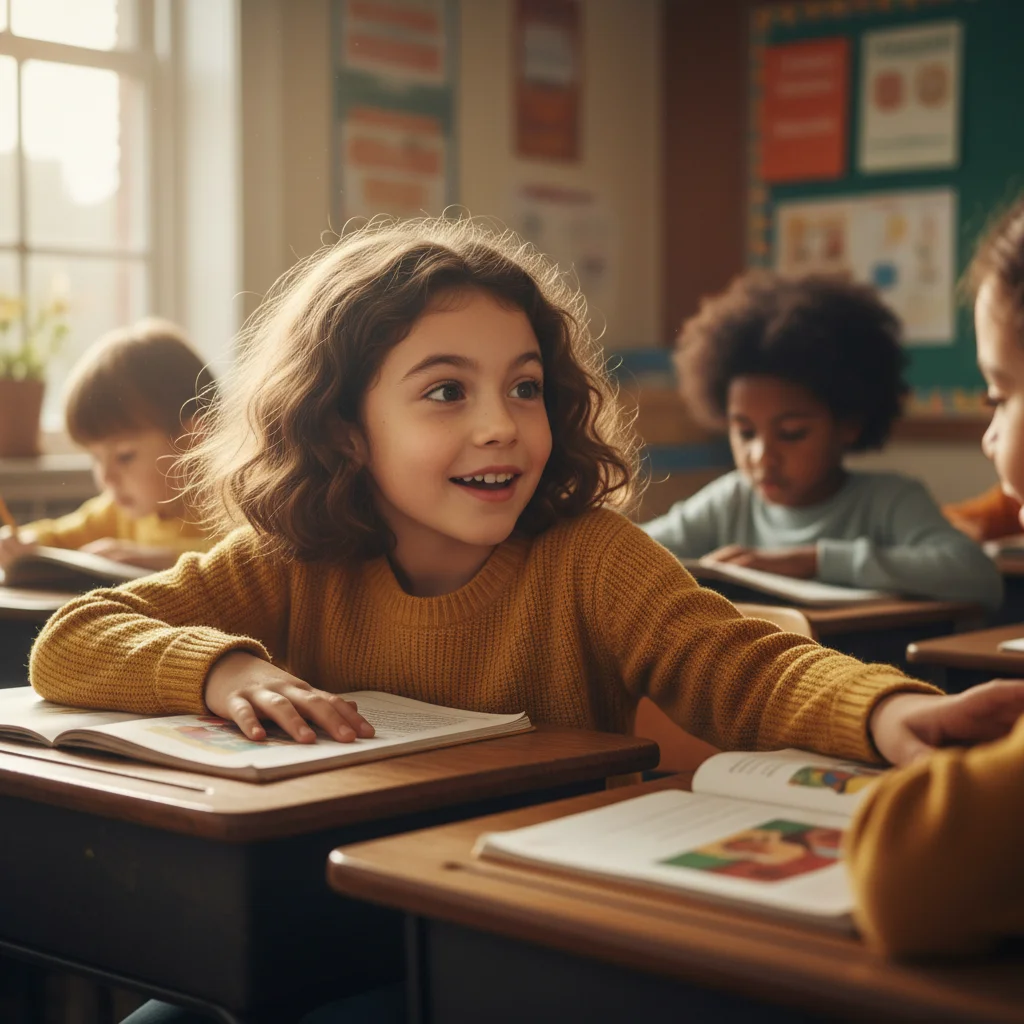
"Your daughter is very social. Maybe too social." That's what Emma's third-grade teacher told me during our parent conference last fall.
My heart sank. I knew exactly what she meant — and it wasn't a compliment.
If you're hearing similar feedback about your ADHD child being "too social" or "disruptive with friends," I need you to know this isn't a character flaw or parenting issue. It's actually your child's brain desperately trying to regulate itself.
Why 'Too Social' Is Actually a Red Flag for ADHD Girls
Here's what I wish I'd understood earlier: when teachers describe ADHD kids as "overly social," they're witnessing emotional dysregulation in action.
Girls with ADHD especially mask their struggles through social connection. While boys might act out physically, girls often seek constant social interaction as a way to manage their overwhelmed nervous system.
Emma wasn't being defiant or attention-seeking. Her brain was literally seeking the dopamine hit that comes from social connection because her internal regulation system wasn't working properly.
The constant chatter, friend drama, and "inappropriate socializing" weren't behavioral problems — they were neurological symptoms.
The Difference Between Social Confidence and Social Desperation
There's a huge difference between a socially confident child and one who's using social interaction as emotional regulation.
Social confidence looks like:
- Age-appropriate friendships with give and take
- Ability to be alone without distress
- Reading social cues correctly
- Respect for classroom rules and timing
Social desperation (what teachers call "too social") looks like:
- Constantly interrupting lessons to talk to peers
- Inability to work independently without social interaction
- Meltdowns when separated from friends
- Oversharing personal information or family details
How ADHD Brains Seek Connection to Regulate Emotion
The ADHD brain has imbalanced neurotransmitter pathways — specifically dopamine, serotonin, GABA, and norepinephrine. When these systems aren't working properly, kids instinctively seek external sources of regulation.
Social interaction provides:
- Dopamine boosts from positive peer attention
- Serotonin regulation through emotional connection
- Nervous system co-regulation through proximity to calm peers
This is why your "too social" ADHD child might have the most meltdowns at home. They've been working overtime all day to get their regulation needs met through social interaction, and they're completely depleted by pickup time.
If this sounds familiar, you're not alone. I wrote about this exact pattern in why ADHD kids save their worst behavior for home.
What Teachers Really Mean When They Say 'Disruptive Socializing'
When I dug deeper with Emma's teacher, here's what "too social" actually meant:
During independent work: Emma would turn around every few minutes to check in with classmates, ask questions, or share observations. She genuinely couldn't sustain focus without social connection.
During transitions: Instead of following directions, Emma would get caught up in conversations, forgetting where she was supposed to be going.
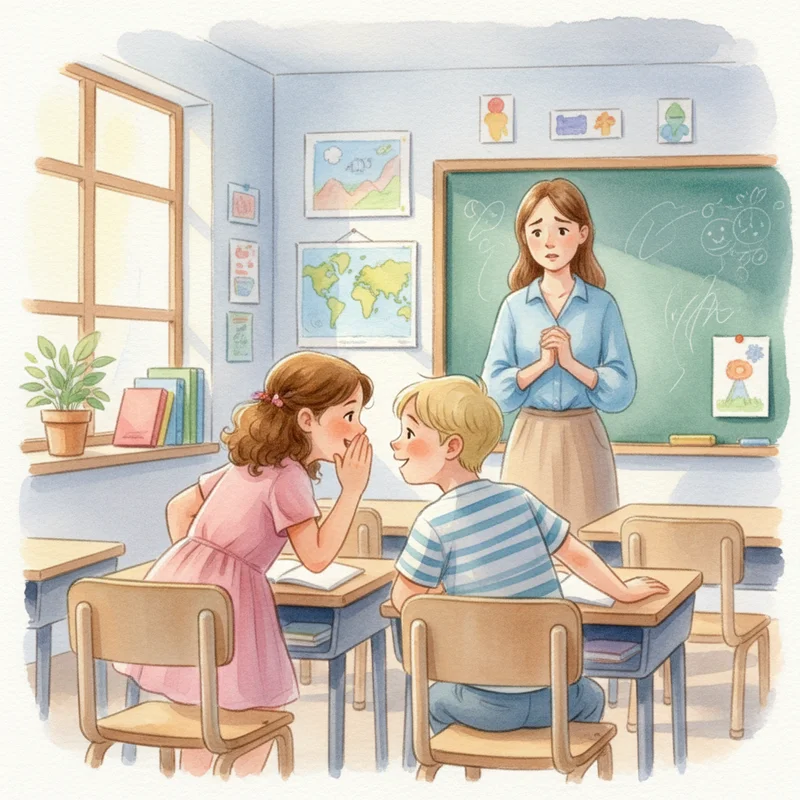
During lessons: Emma would whisper comments to friends, make jokes, or try to turn everything into a social interaction.
The teacher wasn't wrong — this was disruptive. But understanding the why behind the behavior completely changed our approach.
Working with School to Support Social Regulation
Once we reframed Emma's "social" behavior as a regulation strategy, we could work with her teacher on solutions:
Built-in social breaks: Emma got permission to be the teacher's helper, giving her appropriate social interaction throughout the day.
Strategic seating: Instead of isolating her, they seated Emma near calm, focused peers who could help co-regulate her nervous system.
Movement breaks: When Emma needed to "check in" with friends, she was redirected to take a movement break instead.
These accommodations addressed the root need (regulation) instead of just punishing the symptom (social disruption).
Building Genuine Social Skills vs. Masking
Many ADHD girls become excellent at masking their struggles through social performance. They're funny, charming, and well-liked — but exhausted.
Real social skill building for ADHD kids focuses on:
- Internal regulation strategies that don't require other people
- Recognition of their own emotional states
- Appropriate timing for social connection
- Quality over quantity in friendships
We worked on helping Emma identify when she was seeking social connection for regulation versus genuine friendship. This awareness was game-changing.
How the Right Support Helped My Daughter Find Balance
Emma's transformation didn't happen overnight. It took addressing her underlying neurological needs — not just managing the social behaviors.
We focused on supporting her brain's natural regulation systems, similar to what I learned about ADHD being brain chemistry, not bad behavior. When her internal systems were better supported, her desperate need for constant social connection decreased naturally.
By spring, Emma's teacher reported a completely different child. She was still social and engaging, but now she could work independently, follow classroom routines, and form deeper, more meaningful friendships.
The "too social" label disappeared because we addressed the root cause, not just the symptom.
Emma didn't need less social connection — she needed better internal regulation so social interaction could be a choice instead of a survival strategy.
If your child's teacher is describing them as "too social," take heart. This isn't a character flaw — it's valuable information about what their brain needs. And with the right support, that same social energy can become one of their greatest strengths.
Is your ADHD child struggling with social regulation at school?
Take our free assessment to understand what's really happening with your child's behavior and get personalized strategies that actually work.
TAKE THE FREE ASSESSMENT →

