When my son's traditional school principal suggested we "consider other options," I felt that familiar parent gut-punch. You know the one — where you question everything about your parenting and wonder if you're failing your child.
But here's what I learned after trying both systems: your ADHD child's school struggles aren't about your parenting failures. They're about brain chemistry meeting environmental demands — and finding the right fit matters more than you think.
The Traditional School Disaster That Started Our Search
Third grade was brutal. My son Jake couldn't sit still during morning meeting. He blurted out answers. He fidgeted with everything within reach.
The daily reports escalated: "Difficulty following directions." "Disruptive behavior." "Not meeting grade-level expectations."
Sound familiar? That dreaded school phone call became our weekly routine. But here's what I wish I'd known earlier — Jake's brain was literally wired differently, and the traditional classroom was like asking a fish to climb a tree.
ADHD brains need more dopamine to feel engaged and focused. In a traditional classroom with rigid schedules and passive learning, his brain was essentially starving for stimulation.
Why Montessori Seemed Perfect for ADHD (The Theory)
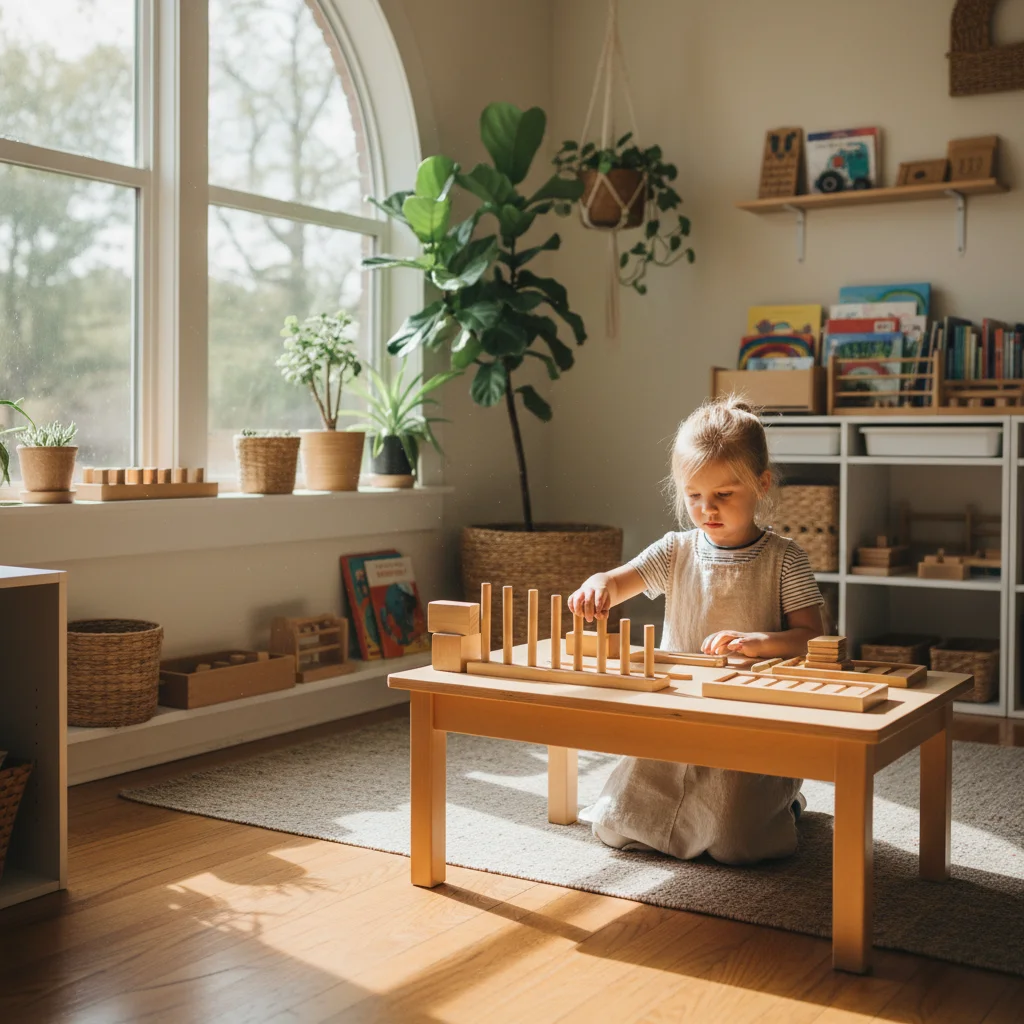
On paper, Montessori looked like ADHD heaven. Mixed-age classrooms. Freedom of movement. Self-directed learning. Choose your own activities.
The theory made perfect sense: ADHD kids need choice and autonomy to boost dopamine naturally. Traditional schools suppress this with compliance-based learning.
The Montessori philosophy aligned with everything I'd read about neurodivergent children. Instead of forcing conformity, it promised to work with Jake's natural learning style.
We enrolled him mid-year, hopeful this would be our answer.
Month 1-3: The Honeymoon Period and Real Challenges
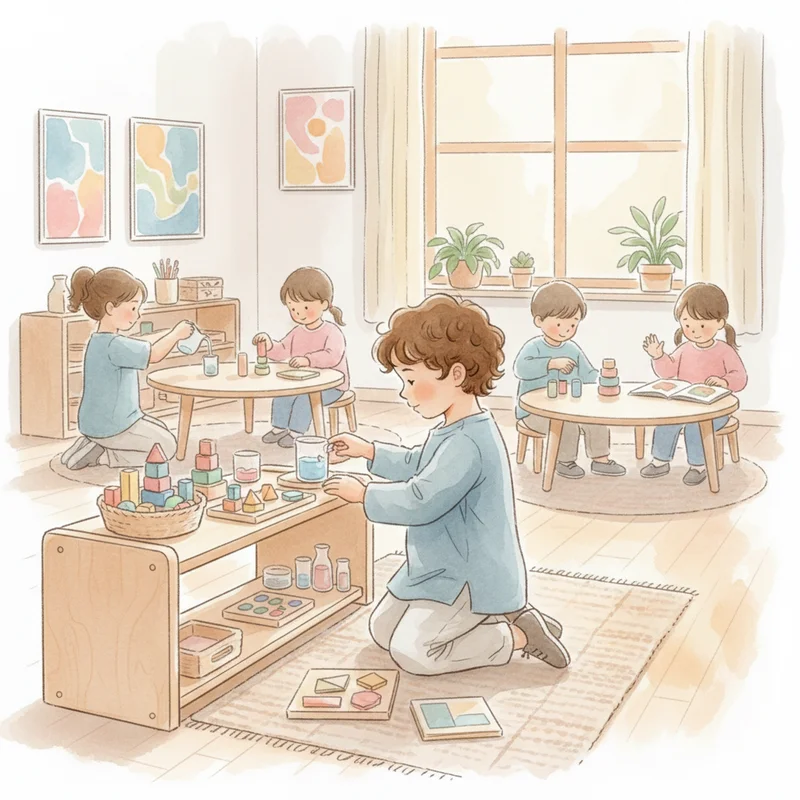
The first month was magical. Jake loved choosing his work. He'd spend an hour perfecting his cursive letters or building with geometric solids.
But by month three, cracks appeared. While neurotypical kids naturally gravitated toward academic work, Jake consistently chose the easiest, most stimulating activities. Art corner. Sensory bins. Building blocks.
The freedom that should have empowered him became overwhelming. Too many choices triggered decision paralysis — a common ADHD executive function struggle.
His teacher, while kind, expected the Montessori method to naturally guide him toward grade-level work. When it didn't, there wasn't a backup plan.
The Dopamine Difference: Choice vs. Compliance in Learning
Here's where brain science gets interesting. ADHD brains have lower baseline dopamine, making it harder to find motivation for tasks that don't provide immediate reward.
Traditional schools use external structure (schedules, direct instruction, clear expectations) to compensate. Montessori relies on intrinsic motivation — which assumes your dopamine system works typically.
Jake's brain needed the external scaffold that traditional schools provided, even though the delivery method was problematic. The issue wasn't the structure itself, but how it was implemented.
This is why some ADHD kids thrive in Montessori (those with milder executive function challenges) while others need more guided support.
Social Dynamics: How Each Environment Affected Friendships
Traditional school's age-segregated model meant Jake was always competing with same-age peers who seemed more mature socially.
Montessori's mixed ages initially seemed better — he could connect with younger kids without shame. But it also meant fewer peers at his actual developmental level.
The bigger issue? Neither environment directly taught the social skills ADHD kids need. My son's friendship struggles continued regardless of school type.
ADHD children need explicit social coaching — something most schools don't provide, regardless of philosophy.
Academic Progress: Standardized Expectations vs. Individualized Pace
Traditional school pushed Jake through grade-level curriculum whether he was ready or not. Montessori let him work at his own pace — which turned out to be glacial in areas requiring sustained attention.
By spring, he was behind in math and reading comprehension. While his Montessori teachers celebrated his "progress," I worried about the gaps widening.
The truth? Both systems failed to address his underlying attention challenges. Being "behind grade level" isn't necessarily a school problem — it's often an unaddressed neurological one.
The Decision to Switch Back (And Why It Was Right for Us)
After 18 months at Montessori, we returned to traditional public school — but with a crucial difference. This time, we had an IEP, clearer expectations, and I understood Jake's brain better.
The structure he'd resented before now felt supportive. Clear schedules reduced his anxiety. Direct instruction helped him focus when his attention wandered.
Most importantly, we addressed the root cause — his brain's need for dopamine support — rather than just changing environments.
Some days are still hard. But now I know his meltdowns aren't about my parenting — they're about brain chemistry meeting daily demands.
Red Flags That Your ADHD Child Needs a Different School Environment
Watch for these signs regardless of school type:
- Daily complaints from teachers about behavior, not just academics
- Extreme after-school meltdowns — saving their worst behavior for you
- Declining self-esteem — "I'm stupid" or "I'm bad" language
- Physical symptoms — stomachaches, headaches, sleep disruption
- Regression in skills they previously mastered
The right environment supports your child's brain, not just their behavior. Sometimes that means switching schools. Sometimes it means changing how you support them within their current system.
Your child isn't broken. Their brain just needs the right support to thrive — whether that's structural accommodation, neurological support, or both.
The school debate often misses the deeper question: How can we support our children's unique brains while they're learning to navigate the world?
Parent Training — Limited Spots
Want a Step-by-Step Plan for Your ADHD Child?
The Unbreakable ADHD program gives parents a complete framework for managing meltdowns, building routines, and connecting with their ADHD child. 9 video modules by licensed therapist Anneliese.
87 of 100 spots taken · 9 video modules · $9.99 trial
START YOUR $9.99 TRIAL →Is your ADHD child struggling at school despite your best efforts?
Take our free 2-minute assessment to discover what type of support might help your child thrive in any learning environment.
TAKE THE FREE ASSESSMENT →
