
I never thought I'd be the mom comparing medications to supplements. For months, I felt like I was failing my son — watching him struggle in school, getting those dreaded phone calls, seeing his confidence crumble. The decision to try Adderall XR wasn't taken lightly, and neither was the decision to explore alternatives.
This isn't about being anti-medication or pro-supplement. It's about sharing what happened in our family when we tried both approaches. Your child's brain chemistry is unique, and what worked for us might not work for you — but maybe our experience can help you ask better questions.
Before I dive in, let me be clear: your child's struggles aren't your fault. ADHD is a neurological condition affecting four key brain pathways — dopamine, serotonin, GABA, and norepinephrine. Whether you choose medication, supplements, or a combination, you're not failing as a parent. You're advocating for your child's brain health.
Why We Started with Adderall XR (And Why It Worked at First)
After months of teacher calls and watching my son's self-esteem plummet, our pediatrician recommended we try Adderall XR. I was terrified, but also desperate. The constant hyperactivity, inability to focus, and daily meltdowns were taking a toll on our entire family.
The first few weeks were honestly amazing. My son could sit through homework without bouncing off the walls. He started raising his hand in class instead of blurting out answers. For the first time in years, I wasn't walking on eggshells, waiting for the next explosion.
Adderall XR works by increasing dopamine and norepinephrine levels in the brain — two of the four key neurotransmitter pathways involved in ADHD. The focus improvement was undeniable. His teacher even pulled me aside to ask what we'd changed.
But as anyone who's been on this journey knows, the honeymoon phase doesn't always last.
The Side Effects That Made Me Question Everything
About six weeks in, the side effects started creeping up. The most noticeable was appetite suppression — my son, who used to eat everything in sight, suddenly had zero interest in food. Breakfast became a battle. Lunch came home untouched.
Then came the personality changes. The kid who used to crack jokes and be silly started feeling flat. Not depressed exactly, but... muted. His creativity seemed dampened. He'd describe feeling like he was "watching himself" rather than being himself.
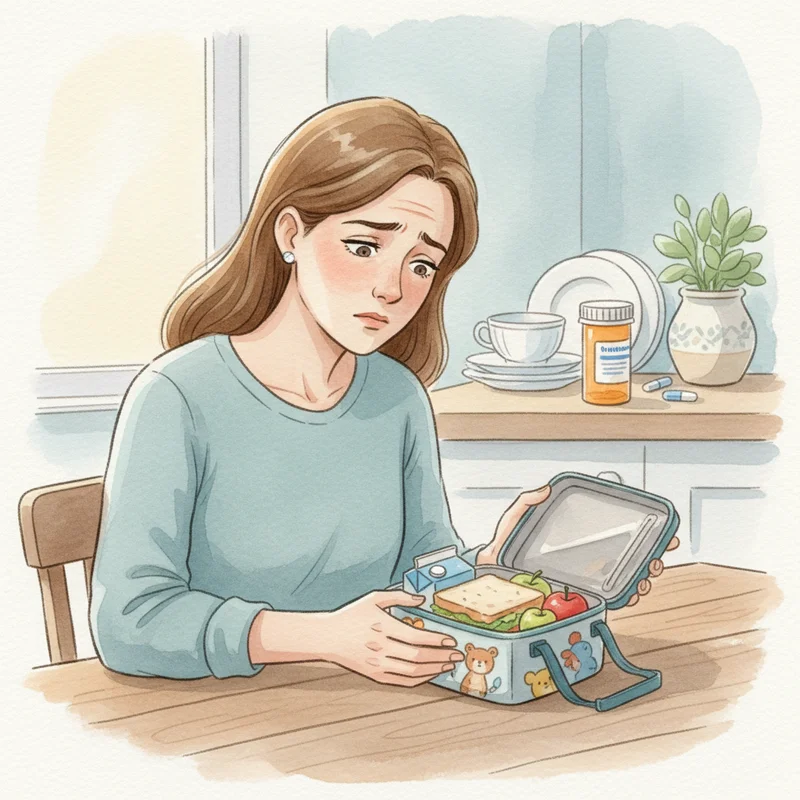
The sleep issues were brutal. Even though the extended-release formula was supposed to wear off by bedtime, he'd lie awake for hours. His body was exhausted, but his brain wouldn't turn off.
Most concerning was the afternoon crash. As the medication wore off around 4 PM, he'd become irritable, emotional, and sometimes aggressive. It was like Jekyll and Hyde — focused student during school hours, emotional wreck at home.
I started researching whether these side effects would improve over time. Some parents said yes, others said they'd been dealing with the same issues for years. That's when I began wondering if there might be other options.
Our Doctor's Reaction When I Mentioned Supplements
At our next appointment, I brought up my concerns about the side effects. Our pediatrician was understanding but skeptical when I asked about natural alternatives. "Most supplements don't have enough research behind them," she said. "If the medication is working for focus, maybe we just need to adjust the dosage."
I understood her position — she's trained to look at peer-reviewed studies and proven treatments. But I'd been doing my own research and found some interesting data on saffron. A 2019 study published in the Journal of Child and Adolescent Psychopharmacology showed that saffron extract demonstrated comparable efficacy to methylphenidate (Ritalin) for ADHD symptoms.
What caught my attention wasn't just the effectiveness, but the mechanism. Unlike Adderall, which primarily targets dopamine and norepinephrine, research suggests saffron may support all four neurotransmitter pathways involved in ADHD — including serotonin and GABA, which affect mood regulation and anxiety.
My doctor wasn't opposed to trying supplements alongside medication, but she wanted to monitor closely. That seemed like a reasonable compromise.
Testing Natural Supplements Alongside Medication: What We Noticed
I decided to introduce a high-quality saffron supplement while keeping the Adderall XR dose stable. This wasn't about replacing medication immediately — I wanted to see if supporting all four brain pathways might help with some of the side effects we were experiencing.
The first thing I noticed was improved mood stability. Those afternoon crashes became less severe. My son still had energy dips as the medication wore off, but the emotional volatility decreased significantly.
Sleep began improving gradually. While he still took longer to fall asleep than before medication, the lying-awake-for-hours situation improved. He seemed calmer at bedtime.
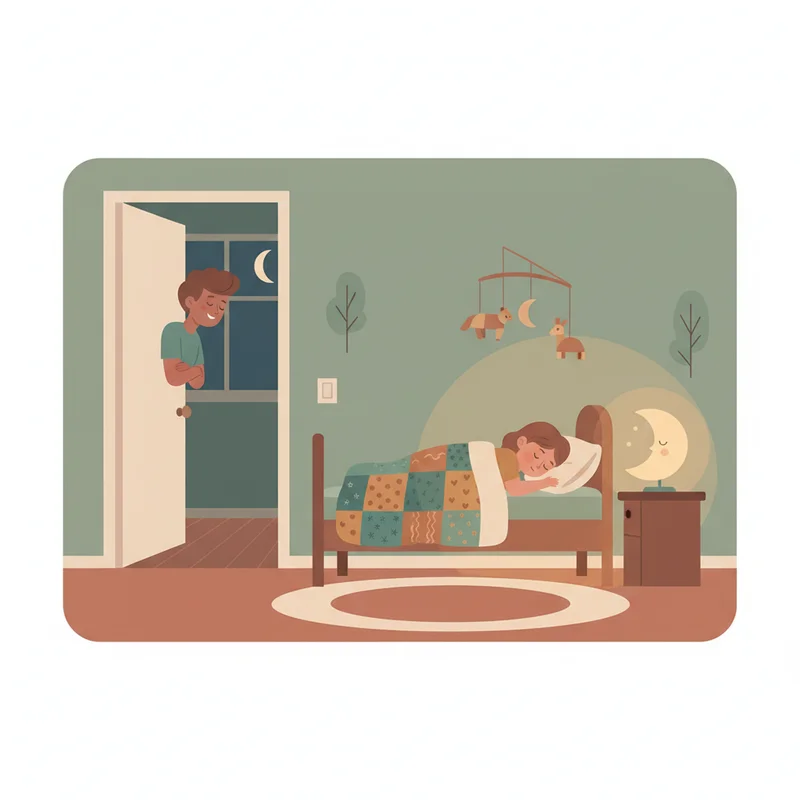
Appetite was still suppressed during peak medication hours, but he started showing more interest in dinner and snacks in the evening. The weight loss stabilized.
Most importantly, some of his personality started coming back. He was still focused during school hours, but the evening jokes and silly moments returned. It wasn't a dramatic change, but it felt like my kid was more... present.
The Gradual Transition: What Worked and What Didn't
After about two months of combination therapy, I discussed with our doctor the possibility of gradually reducing the Adderall XR dose. She was cautious but agreed to try a step-down approach during summer break when academic demands were lower.
We reduced from 20mg to 15mg while continuing the saffron supplement. The transition week was rough — more hyperactivity, some focus issues — but by week two, things stabilized. He wasn't quite as laser-focused as on the higher dose, but he could still complete tasks and follow instructions.
The next step down to 10mg was harder. We tried it for three weeks, but the hyperactivity became disruptive again, especially during structured activities like swimming lessons. We went back up to 15mg and stayed there.
By fall, we'd found what felt like a sweet spot: a lower medication dose supporting focus during school hours, with natural supplements helping with mood, sleep, and afternoon transitions.
Comparing Focus, Mood, and Appetite on Both Approaches
After eight months of experience with both approaches, here's my honest comparison:
Focus and Attention
- Adderall XR alone: Excellent focus for 6-8 hours, then sharp decline
- Combination approach: Good focus for school hours, gentler transitions
- Supplements alone: We didn't try this long-term, but during medication breaks, focus was improved but not as dramatic
Mood and Emotional Regulation
- Adderall XR alone: Flattened emotions during peak hours, crashes in afternoon
- Combination approach: More stable mood throughout the day, fewer meltdowns
- Natural approach: Seemed to support overall emotional resilience
Appetite and Sleep
- Medication alone: Significant appetite suppression, sleep disruption
- Combination: Improved appetite in evenings, better sleep quality
- Natural approach: Normal appetite, good sleep (based on brief trials)
The biggest difference was in the quality of our daily life. With medication alone, we had great school performance but struggled with family time. The combination approach gave us both — decent academic function and a kid who felt like himself at home.
The Unexpected Benefits We Didn't See Coming
Some of the most significant improvements weren't things I was specifically looking for. My son's social interactions improved dramatically. He became better at reading social cues and managing conflicts with friends.
His anxiety, which I hadn't fully recognized before, decreased noticeably. He stopped being so worried about making mistakes or getting in trouble. This might be related to GABA pathway support, which affects the brain's ability to calm itself.
Physical complaints also diminished. He'd been having frequent headaches and stomachaches that I'd attributed to stress. These became much less frequent once we found our optimal combination.
Perhaps most importantly, our relationship improved. When he wasn't crashing hard every afternoon, our evening interactions became more positive. Less time spent managing meltdowns meant more time for connection.
"The afternoon battles stopped being about managing his crash and started being about normal kid stuff — homework completion, chores, sibling negotiations. It felt like we got our family dynamic back."
Is One Approach Right for Every Family? My Honest Take
After this journey, I believe the "medication vs. natural" debate misses the point. The question isn't whether one approach is universally better — it's about finding what works for your unique child and family situation.
Some kids do amazingly well on medication alone. Others thrive with natural approaches. Many, like my son, seem to benefit from a combination that addresses multiple aspects of brain chemistry.
What I learned is that ADHD isn't just about focus and hyperactivity — it affects mood, anxiety, sleep, appetite, and social skills. A comprehensive approach that supports multiple neurotransmitter pathways often addresses more of these interconnected issues.
If you're currently using medication and it's working well with minimal side effects, there might be no reason to change anything. But if you're experiencing challenges similar to what we faced, it might be worth discussing additional support options with your healthcare provider.
For families avoiding medication entirely, know that there are research-backed natural options available. The 2019 saffron study I mentioned earlier provides evidence that some natural compounds can offer meaningful support for ADHD symptoms.
The most important thing is having open conversations with your child's healthcare team. Whether you're considering medication, natural alternatives, or a combination approach, monitoring and professional guidance are crucial.
Remember — you know your child better than anyone. Trust your observations about what's working and what isn't. Don't let anyone make you feel guilty about wanting to explore all safe, evidence-based options for supporting your child's developing brain.
Parent Training — Limited Spots
Want a Step-by-Step Plan for Your ADHD Child?
The Unbreakable ADHD program gives parents a complete framework for managing meltdowns, building routines, and connecting with their ADHD child. 9 video modules by licensed therapist Anneliese.
87 of 100 spots taken · 9 video modules · $9.99 trial
START YOUR $9.99 TRIAL →Want to explore what might work best for your child?
Our free assessment helps you understand your child's specific ADHD patterns and which support approaches might be most helpful for your family.
TAKE THE FREE ASSESSMENT →
