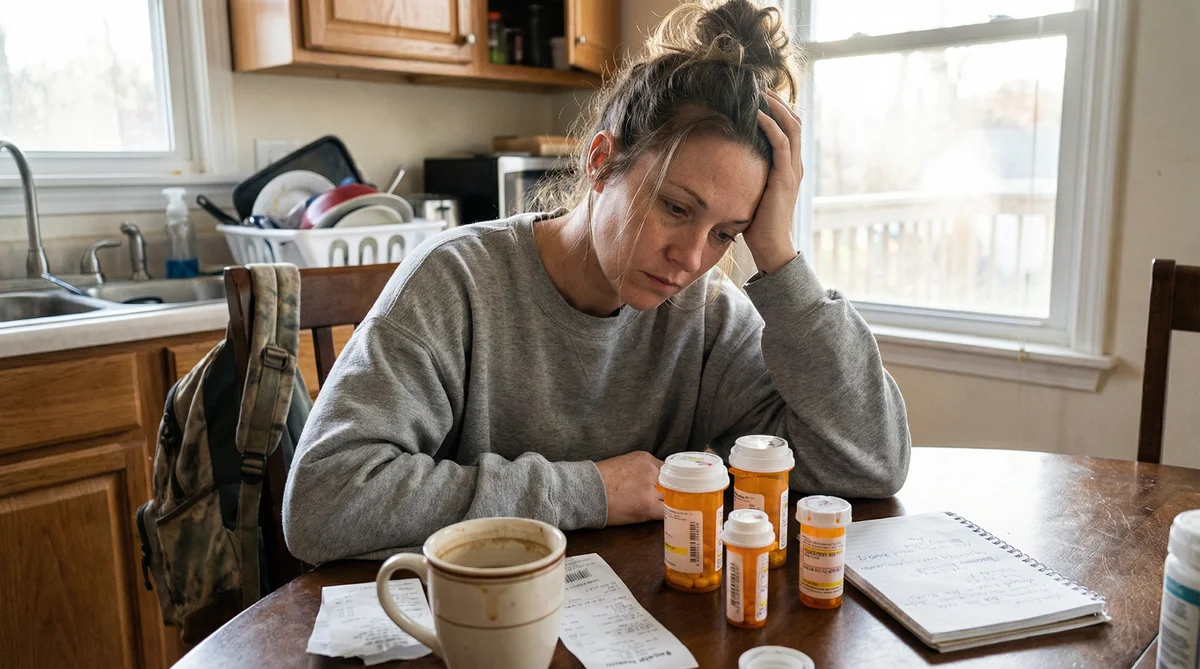
I remember the exact moment the pediatrician said the word "medication" and my whole body tensed.
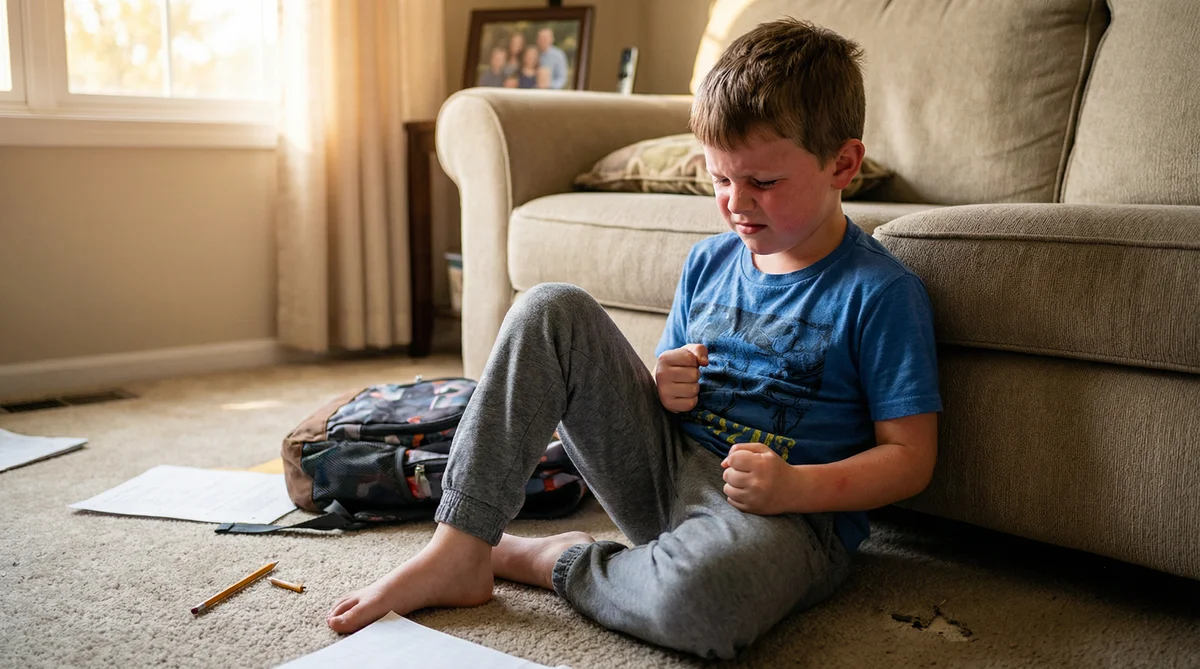
Not because I didn't know it was coming. Oliver had been struggling for months — at school, at home, with friends. The diagnosis wasn't a surprise. But hearing someone suggest putting my 6-year-old on a controlled substance? That felt like a line I wasn't ready to cross.
I said "let me think about it" and then spent the next four months thinking about nothing else.
If you're in that place right now — researching at 2 AM, reading horror stories and success stories in equal measure, feeling paralyzed between "my child needs help" and "what if I make it worse" — this article is for you. Because I've been there. And so have hundreds of parents I've talked to.
The Fears That Keep Parents Up at Night
When I read through ADHD parent support groups, the same fears came up over and over. Not vague worries — specific, visceral terrors that stem from how we misunderstand the ADHD brain. One mom put it more honestly than I've ever seen:
"I don't want my kid to turn into a 'zombie'/lose his personality. I'm terrified meds are going to make him depressed, suicidal, etc."
Here's what I wish someone had explained to me then: ADHD isn't a behavior problem. It's a neurochemical difference where the brain doesn't produce enough dopamine and norepinephrine — the chemicals responsible for motivation, focus, and impulse control.
When your child can't sit still, interrupts constantly, or melts down over homework, their brain literally isn't getting the chemical signals it needs to regulate behavior. Understanding this brain science helped me reframe medication not as "changing my child," but as giving his brain the tools it was missing.
"My child will become a zombie." This fear comes from outdated approaches where doctors prescribed too much, too fast. When properly dosed, stimulant medications boost dopamine to typical levels — they don't sedate. If your child becomes flat or emotionless, the dose is likely too high, not that medication itself is wrong.
"What if it causes depression or suicidal thoughts?" Some medications do carry black box warnings, but here's the context: untreated ADHD also increases depression and anxiety risk. The goal is finding the right balance with close monitoring, especially during the first month.
"Am I taking the easy way out?" This one made me angry every time I heard it. Medicating your child after watching them struggle isn't easy — it's brave. You're choosing evidence-based treatment over cultural stigma.
"What if I can't get them off it?" ADHD medication isn't addictive like street drugs. Many children use it during school years and discontinue later. Others need long-term support, just like someone with diabetes needs insulin. It's treating an ongoing neurological condition.
The explosive behaviors and meltdowns we see in ADHD kids often stem from this dopamine shortage. When their brain can't access the "reward" chemicals naturally, everything feels harder and more overwhelming.
What I Tried Before Medication
Before agreeing to try medication for Oliver, I exhausted every natural option I could find. Not because I thought they were "better," but because I needed to know I'd tried everything.
We did elimination diets, removing food dyes and artificial additives. We tried magnesium supplements and omega-3s. I implemented rigid routines and morning frameworks to reduce our daily battles. Some helped a little — the routine changes made mornings slightly less chaotic — but nothing addressed the core issues.
The breakthrough came when I realized I was treating symptoms, not the underlying neurochemical imbalance. Oliver's brain needed more than behavioral strategies; it needed the chemical foundation that makes self-regulation possible.
What finally convinced me wasn't a doctor's recommendation or research study. It was watching my son's frustration with himself. He wanted to focus, to sit still, to make friends. His brain just couldn't access the tools to make it happen.
The decision became less about my fears and more about his needs. And that's when I knew we needed to try medication — not as a failure of parenting, but as one more tool to help him succeed.
If you're dealing with daily homework battles and evening meltdowns, medication might provide the neurochemical foundation that makes other strategies actually work. It's not about changing who your child is — it's about giving their brain what it needs to be themselves more successfully.
Scared about medication? Understand your child's brain pathways first.
Our free assessment reveals which specific brain pathways are causing your child's struggles, so you can make medication decisions with confidence instead of fear.
TAKE THE FREE ASSESSMENT →The Non-Stimulant Path That Surprised Everyone
One of the most hopeful themes in the support group was the success stories around non-stimulant medications — particularly Guanfacine. These stories matter because they challenge the assumption that ADHD medication means stimulants.
Guanfacine works completely differently than Vyvanse or Adderall. It's an alpha-2 adrenergic agonist that strengthens prefrontal cortex function without flooding the brain with dopamine. The result: better emotional regulation, less impulsivity, improved listening — without the appetite suppression, sleep disruption, or afternoon crash that stimulants are notorious for.
Parent after parent described it as a revelation. The child who failed on Focalin and Vyvanse? Guanfacine worked within a week. The mom who was terrified of medication? Her psychiatrist started with Guanfacine specifically because of her concerns. The child whose dad had "little patience" for ADHD behavior? That same child might have a completely different family dynamic on a non-stimulant.
Guanfacine isn't perfect — one parent reported paradoxical wakefulness (feeling alert at night instead of drowsy), and it's generally considered less effective for attention/focus than stimulants. But for families where emotional regulation is the primary concern, and where the fear of stimulant side effects is a major barrier, it's a starting point worth discussing with your doctor.
The Third Option Nobody Mentioned
In most of the support group conversations, the framework was binary: medicate or don't medicate. Stimulants or nothing. Pharmaceuticals or "natural."
But there's a third path that's emerging, and it's the one I wish someone had told me about earlier.
What if you could start by supporting all four of your child's ADHD brain pathways naturally — dopamine, serotonin, GABA, and norepinephrine — and see how much improvement that provides before making the medication decision?
This isn't about replacing medication. It's about giving your child's brain the foundational support it needs, and then making the medication decision from a more informed place. Maybe the natural support is sufficient for your child. Maybe it's not, and medication is still needed — but now you have a baseline, and you can see more clearly what the medication is adding versus what the nutritional support already provides.
The research supports this approach. The 2019 RCT on saffron showed comparable results to methylphenidate in ADHD children — not as a supplement alongside medication, but as a standalone intervention. That doesn't mean every child can skip medication. But it means the binary "medicate or suffer" framework is incomplete.
For the full science, see our complete guide to saffron for ADHD in children. And for understanding why single-ingredient supplements (magnesium alone, fish oil alone) keep falling short, read why magnesium alone won't fix meltdowns and the omega-3 mistake most parents make.
What I'd Tell Myself Two Years Ago
If I could sit across from the version of me who was terrified to medicate Oliver, here's what I'd say:
Your fear proves you're a good parent. Bad parents don't agonize over this decision. The fact that you're researching, asking questions, and losing sleep over it means your child has an advocate who cares deeply.
There is no "right" choice — only the next step. Medication isn't permanent. Natural approaches aren't failure. Starting one thing doesn't mean you can't stop it or change it. Every choice you make gives you more data about what your child's unique brain needs.
The first try probably won't be the last. The medication merry-go-round is real. If you do try medication and the first one doesn't work, that's normal — not a sign that you made the wrong choice.
Medication and natural support aren't opposites. The parents in the support group who were happiest with their child's outcomes were using a combination approach — medication for what it does well, natural support for the gaps medication leaves, therapy for coping skills, and lifestyle strategies for everything in between.
Your child is suffering now. While you deliberate, they're struggling. They're falling behind in school. They're losing friends. They're developing shame about who they are. The risk of doing nothing isn't zero — and the cost is measured in your child's self-esteem, relationships, and opportunities.
The bravest thing you can do isn't finding the perfect solution on the first try. It's being willing to try, to observe, to adjust, and to keep going until your child gets the support they deserve.
Whatever you decide — medication, natural support, or both — make the decision from love, not fear. Your child needs a parent who acts, even imperfectly, more than they need a parent who waits for certainty that will never come.
Want to understand your child's brain before making the medication decision?
Our free assessment helps identify which of the 4 ADHD brain pathways need the most support — giving you data to guide a more informed conversation with your child's doctor.
TAKE THE FREE ASSESSMENT →